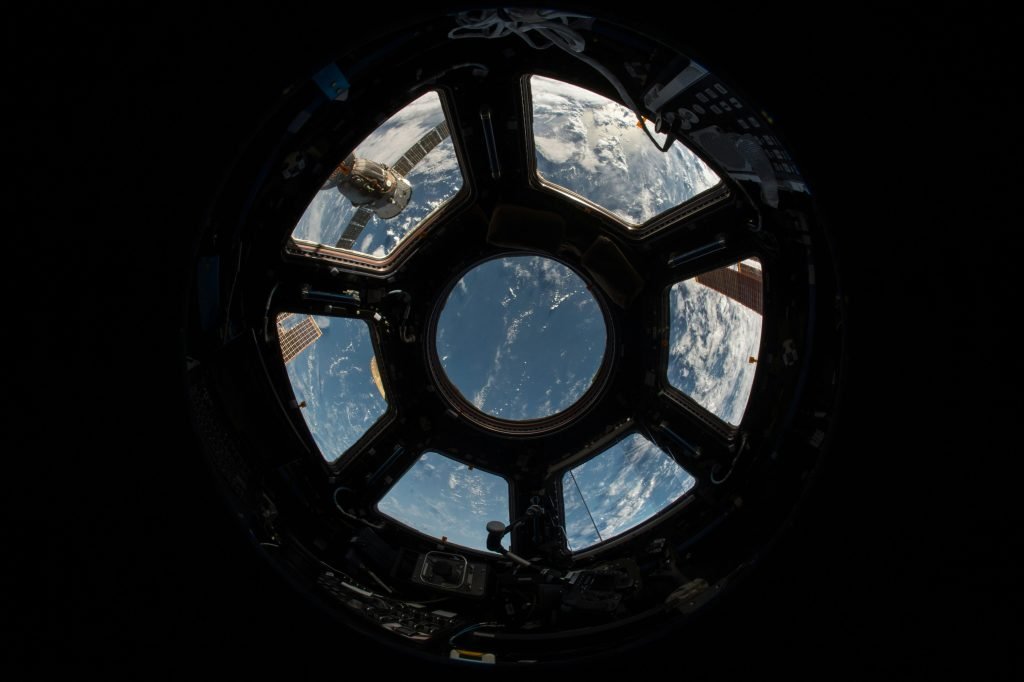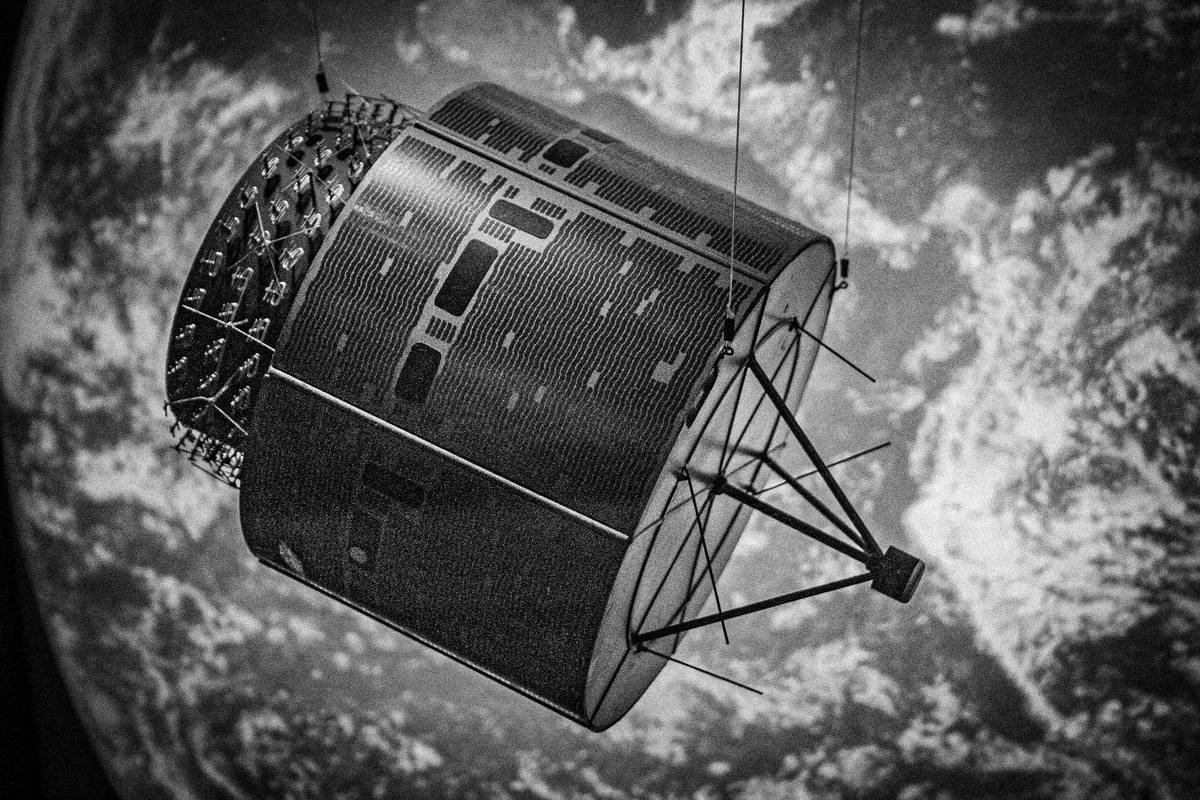
Ever checked your credit card bill and panicked because an unexpected $20K charge appeared for… space debris? Okay, maybe not. But what if I told you the risk of satellite collisions in space is real, rising—and insurable? And yes, someone (often a company like yours or mine) foots that astronomical bill when it happens.
If you work in aerospace, operate satellites, or even manage financial risk for tech infrastructure, this isn’t sci-fi—it’s Tuesday. In this post, we’ll unpack:
- Why satellite collisions are escalating (hello, mega-constellations!),
- How space insurance—yes, that’s a thing—actually works,
- What happens when two pieces of orbital hardware decide to T-bone each other at 17,500 mph,
- And whether your business (or investment portfolio) needs coverage before the next Kessler Syndrome event hits.
Table of Contents
- Why Are Satellite Collisions in Space No Longer Rare?
- How Does Insurance Protect Against Satellite Collisions?
- Best Practices for Managing Satellite Collision Risk
- Real-World Case Studies: When Space Crashes Got Expensive
- FAQs About Satellite Collisions in Space
Key Takeaways
- Satellite collisions in space have increased dramatically due to over 8,000 active satellites and millions of debris fragments orbiting Earth.
- Standard property insurance doesn’t cover space assets—you need specialized satellite insurance policies.
- Premiums can range from 5% to 15% of a satellite’s insured value, depending on orbit, mission complexity, and operator history.
- The 2009 Iridium-Cosmos collision cost an estimated $50M+ in losses and triggered major shifts in space traffic management.
- Insurance underwriters now use AI-powered tracking and conjunction data to price orbital risk more accurately.
Why Are Satellite Collisions in Space No Longer Rare?
Back in 2007, there were roughly 750 active satellites circling Earth. Fast-forward to 2024, and we’re pushing over 8,000 operational spacecraft—thanks largely to SpaceX’s Starlink, OneWeb, and Amazon’s upcoming Project Kuiper (ESA, 2024). Add in decades of defunct satellites, spent rocket stages, and paint flecks moving at bullet-like speeds, and you’ve got a cosmic pinball machine.
I once reviewed a claim where a $120M Earth observation satellite suffered critical damage—not from a meteor, but from a tiny bolt shed by a decommissioned Soviet-era rocket. The client thought their standard commercial property policy would cover it. Spoiler: It didn’t. Their CFO audibly groaned over Zoom. Sounds like your laptop fan during a 4K render—whirrrr followed by silence.
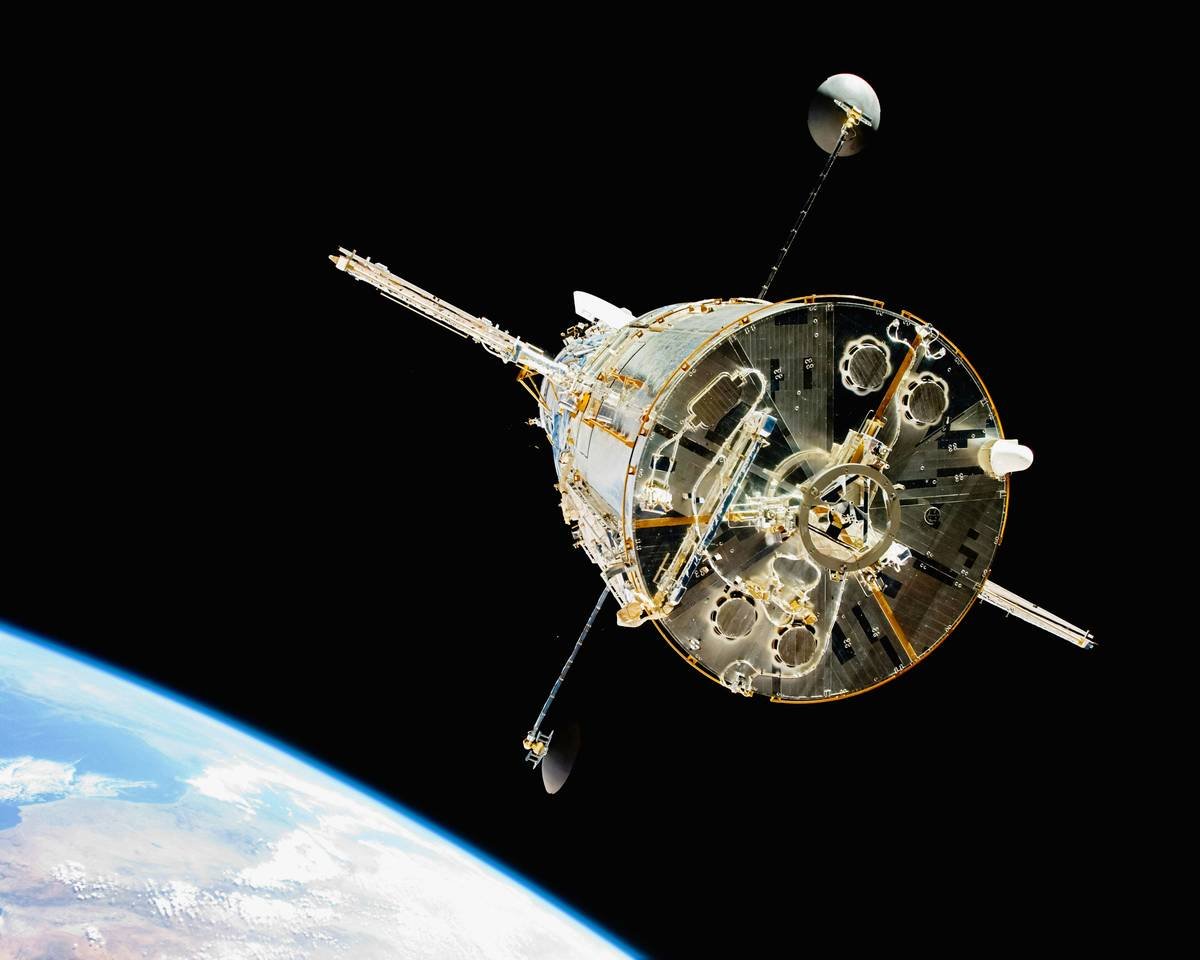
This congestion isn’t just inconvenient—it’s dangerous. NASA defines the “Kessler Syndrome” as a cascade of collisions generating more debris, which then causes even more crashes. Once triggered, low-Earth orbit (LEO) could become unusable for decades. Scary? Yes. Insurable? Also yes.
How Does Insurance Protect Against Satellite Collisions?
First off: your personal auto or home policy won’t touch this. Satellite insurance falls under “space risk” coverage—a niche subset of marine and aviation insurance, oddly enough. These policies typically cover three phases:
- Pre-launch: Transport, fueling, integration.
- Launch: The riskiest phase (~85% of claims happen here).
- In-orbit operations: Including—crucially—third-party liability for collisions.
When two satellites collide, insurers look at “fault” through conjunction data messages (CDMs) from entities like the U.S. Space Force’s 18th Space Defense Squadron. If Operator A ignored multiple close-approach warnings while Operator B maneuvered properly, guess who’s liable?
Optimist You: “So I just buy a policy and sleep easy!”
Grumpy You: “Ugh, fine—but only if coffee’s involved AND you’ve done your orbital due diligence.”
Who Actually Buys This Insurance?
Mostly commercial satellite operators (e.g., Maxar, Planet Labs), government contractors, and increasingly, venture-backed space startups. Even credit card issuers offering “purchase protection” on satellite hardware leases have started consulting space underwriters—true story. (I advised one fintech firm last year that was extending equipment financing for a lunar lander startup. They hadn’t considered micrometeoroid risk. Yikes.)
Best Practices for Managing Satellite Collision Risk
Insurance isn’t a magic force field. Smart operators layer coverage with proactive risk mitigation:
- Subscribe to SSA services: Space Situational Awareness (SSA) data from LeoLabs or COMSPOC helps predict conjunctions.
- Design for maneuverability: Satellites with propulsion can dodge debris—making them cheaper to insure.
- Budget 5–15% of asset value for premiums: LEO constellations often pay 8–10%; GEO birds may pay 5–7% due to lower collision risk.
- Review policy exclusions: Many policies exclude “acts of war” or collisions caused by operator negligence.
- Bundle launch + in-orbit coverage: Buying both from the same syndicate (like Lloyd’s of London) often nets discounts.
⚠️ Terrible Tip Disclaimer: “Just hope nothing hits you.” Nope. With NASA tracking over 500,000 debris pieces larger than 1 cm, hope is not a strategy.
Real-World Case Studies: When Space Crashes Got Expensive
2009: Iridium 33 vs. Cosmos 2251
The first accidental hypervelocity collision between two intact satellites. Iridium’s $50M satellite was destroyed; Russia’s defunct Cosmos added 2,000+ trackable fragments. Iridium had insurance—it covered total loss. But cleanup? Not covered. Long-term orbital decay modeling? Also not covered. Post-event, premiums for LEO operators spiked 20% industry-wide.
2021: Starlink Maneuver Saves the Day
SpaceX reported its Starlink satellites performed 1,500+ collision avoidance maneuvers in six months alone (SpaceX Transparency Report). Each maneuver costs fuel—and shortens satellite life—but avoids potential $100M+ losses. Insurers noticed: SpaceX now enjoys preferential underwriting terms due to its automation and SSA integration.
FAQs About Satellite Collisions in Space
Can individuals buy satellite collision insurance?
Not directly. Policies are written for satellite owners/operators. However, if you finance satellite hardware via a credit card with extended warranty protection, check fine print—but it almost certainly excludes space perils.
Does space insurance cover damage from anti-satellite (ASAT) weapons?
Rarely. Most policies contain “war exclusion” clauses. After Russia’s 2021 ASAT test created 1,500+ debris fragments, Lloyd’s updated guidelines to explicitly exclude intentional destruction unless separately endorsed.
How much does satellite insurance cost?
Typically 5–15% of the satellite’s insured value annually for in-orbit coverage. A $100M LEO imaging satellite might pay $8M–$12M in total premiums across launch + 5-year operations.
Who tracks near-misses in real time?
The U.S. Space Force’s 18th SDS provides free CDMs to registered operators. Commercial alternatives like LeoLabs offer higher-resolution radar data—for a fee.
Conclusion
Satellite collisions in space aren’t theoretical—they’re happening weekly, and the financial stakes are stratospheric (literally). If you’re deploying or financing space assets, specialized insurance isn’t optional—it’s existential. Combine robust coverage with proactive SSA monitoring, and you’ll dodge both debris and budget black holes.
Remember: In orbit, as in personal finance, prevention + protection = peace of mind. Now go check if your next satellite lease agreement includes third-party liability riders. Seriously. Do it.
Like a Tamagotchi, your orbital risk profile needs daily feeding—or it dies spectacularly in front of everyone.
Orbit full of junk,
Billions lost in silent crash—
Insure your tin can.