
Ever wonder what happens if a $500 million satellite gets blasted by space debris? Yeah, it’s not just sci-fi movie drama—it’s real. In fact, over the past decade, there have been more than 40 collisions in Earth’s orbit, and that’s just counting the ones we know about. Whether you’re an aerospace engineer, a business owner with satellite assets, or just someone intrigued by orbital risks, understanding satellite insurance is critical.
In this post, we’ll break down everything from “What exactly are orbital risks?” to “How much does satellite insurance cost?” You’ll learn why satellite coverage matters, how to navigate orbital risk mitigation strategies, and some insider tips (plus rants) on avoiding rookie mistakes. Let’s launch into it!
Table of Contents
- Why Orbital Risks Matter for Satellite Owners
- Navigating Orbital Risk Management: A Step-by-Step Guide
- Best Practices for Buying Satellite Insurance
- Real-Life Lessons from Major Satellite Collisions
- Orbital Risks FAQs Answered
Key Takeaways:
- Orbital risks include collisions, solar storms, and software malfunctions.
- Satellite insurance protects against financial losses caused by these risks.
- Understand policy exclusions and hidden costs before signing up.
- The average premium can range between 1% to 5% of the insured value annually.
- Mitigation involves both physical safeguards and robust risk analysis.
Why Orbital Risks Matter for Satellite Owners
Think satellites live serene lives floating above us? Wrong. Space is like one giant cosmic bumper car arena. There are millions of pieces of space junk hurtling around at thousands of kilometers per hour. One tiny screw can obliterate a multimillion-dollar device faster than your morning coffee cools.

Image: An artist’s depiction of orbital debris near Earth, highlighting collision zones.
Beyond collisions, other threats lurk too—solar flares wreak havoc on electronics, radiation exposure damages components, and even human error (oops!) plays a role. And when satellites fail, industries relying on them feel the ripple effect. GPS systems falter, weather forecasts go haywire, and global communication grids stutter.
I’ll admit—I once underestimated the gravity (*ahem*, pun intended) of these risks myself. I casually mentioned, “Well, isn’t that what engineers are paid for?” during a meeting only to be met with blank stares. Lesson learned: understanding orbital risks isn’t optional; it’s essential.
Navigating Orbital Risk Management: A Step-by-Step Guide
Optimist you says: “Satellite insurance sounds straightforward!” Grumpy me responds: “Yeah, until you see the fine print.” Here’s how to manage orbital risks effectively without losing sleep—or all your funds.
Step 1: Identify Potential Threats
Start by cataloging all possible hazards specific to your satellite. This includes debris, cyberattacks, and natural space events like geomagnetic storms. Use tools like NASA’s Orbital Debris Program Office data sets to map out high-risk areas.
Step 2: Conduct a Cost-Benefit Analysis
Evaluate whether investing in certain protective measures (e.g., shielding upgrades or maneuverability tech) makes sense financially compared to insuring against failure. Sometimes prevention beats cure.
Step 3: Choose the Right Policy
Compare different insurers based on coverage limits, deductibles, exclusions, and customer ratings. Look for policies tailored to the kind of satellite you own—communication sats will differ vastly from imaging ones.
Step 4: Implement Risk Mitigation Strategies
Work closely with mission control teams to implement strategies such as periodic orbit adjustments to avoid known debris fields or deploying redundant backup systems to ensure reliability.
Best Practices for Buying Satellite Insurance
- Read the Fine Print: Many policies exclude war-related damages or intentional acts of sabotage. Make sure exceptions don’t swallow your entire budget.
- Shop Around: Quotes vary wildly among insurers. Compare three to five quotes for similar levels of coverage.
- Bundle Services: If you already use an insurer for other types of business insurance, ask about discounts for bundling services.
- Factor in Deductibles: Some plans may seem cheaper upfront but come with hefty deductibles that sting later.

Image: Side-by-side comparison of three popular satellite insurance providers, detailing premiums and benefits.
Pro Tip (Brutal Honesty Edition): Never choose the cheapest option blindly—it might leave gaps in coverage big enough to drive a spaceship through. Been there, done that, got burned.
Real-Life Lessons from Major Satellite Collisions
Let’s talk shop. Remember the infamous Iridium-Cosmos crash? That 2009 collision set off alarms worldwide about orbital crowding. It wasn’t cheap either—the cleanup effort alone topped $50 million.
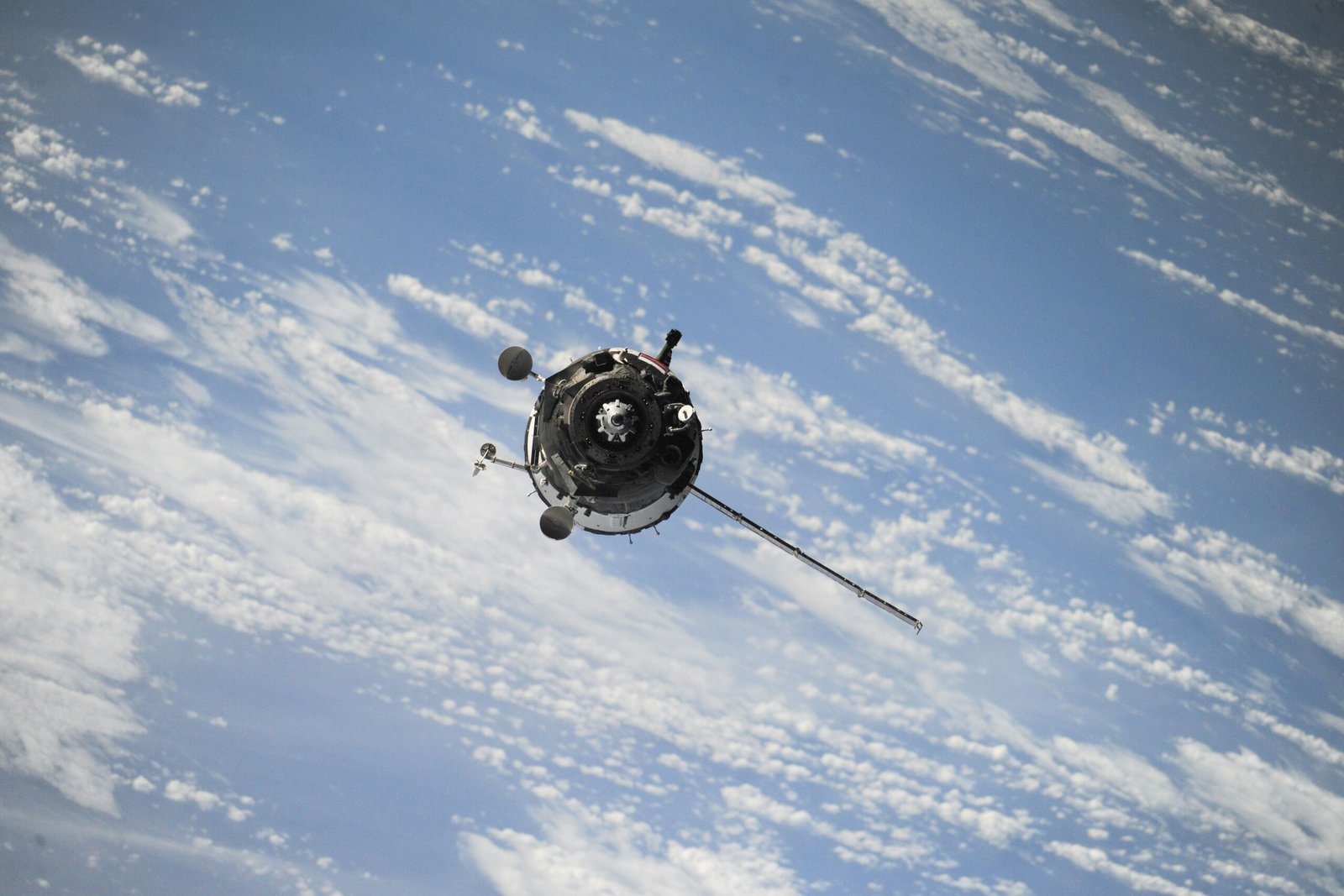
Image: Visualization of the 2009 Iridium-Cosmos satellite collision point in low Earth orbit.
On a brighter note, companies that had invested in comprehensive insurance packages bounced back relatively unscathed. Moral of the story? Always prepare for the worst while hoping for the best. Even Elon Musk probably keeps a fire extinguisher handy.
Orbital Risks FAQs Answered
What Are Orbital Risks?
Orbital risks refer to any dangers faced by satellites operating in space. These include collisions, solar activity disruptions, and mechanical failures.
How Much Does Satellite Insurance Typically Cost?
Premiums usually range from 1% to 5% of the insured amount annually, depending on complexity, location, and historical performance of similar missions.
Can Cyberattacks Affect Satellites?
Absolutely! With increasing connectivity, hackers pose significant threats. Insurers often require cybersecurity protocols as part of their terms.
Is War Coverage Included?
Rarely. Most policies explicitly exclude damage resulting from conflicts or acts of terrorism. Double-check this clause carefully.
Should Smaller Businesses Bother with Satellite Insurance?
Yes! Even smaller operators face massive liabilities if something goes wrong. Plus, lenders often require proof of insurance for financing.
Conclusion
We’ve covered the cosmos and back—from acknowledging the reality of orbital risks to exploring the intricacies of satellite insurance. To recap:
- Understand your unique operational challenges.
- Choose the right mix of preventive measures and insurance policies.
- Remember, the universe giveth…and taketh away. Be ready for both.
As they say in space odyssey lingo: Live long and prosper—with the right plan in place. Speaking of which…
Like resetting your router after a storm,
Satellite prep ensures smooth orbits untorn.
Peace of mind floats free in zero-gravity.
(P.S.: Props if you caught that *Deep Impact* reference earlier. Classic.)