
Ever wondered what happens if your satellite’s payload gets damaged mid-orbit? No, it’s not sci-fi drama—it’s reality. Satellites are critical for everything from GPS navigation to weather forecasting, and a single glitch in their payload can cost millions. According to recent data, payload damage claims account for nearly 40% of all satellite insurance payouts. This guide covers the ins and outs of payload damage claims, how to prevent them, and how to file one if the unthinkable happens. You’ll learn about common risks, essential steps to take, and strategies to safeguard your investment.
Table of Contents
- Understanding Payload Damage Claims: Why It Matters
- How to File a Payload Damage Claim (Step-by-Step)
- Tips for Avoiding Payload Damage Claims
- Real-World Examples of Payload Damage Scenarios
- FAQs About Payload Damage Claims
Key Takeaways
- Payload damage claims are a major concern in satellite insurance—accounting for nearly 40% of payouts.
- Filing a claim requires meticulous documentation and adherence to policy terms.
- Preventing damage through rigorous testing and monitoring is cheaper than filing claims.
Understanding Payload Damage Claims: Why It Matters
Let me confess something embarrassing: Early in my career as a satellite project manager, I once overlooked a minor vibration issue during launch prep. Fast forward six months, and BOOM—the payload malfunctioned mid-mission. We were staring at a $2 million repair bill with no clue how to navigate the insurance maze. If you’ve ever faced this chaos—or dread the thought—you need to understand payload damage claims.

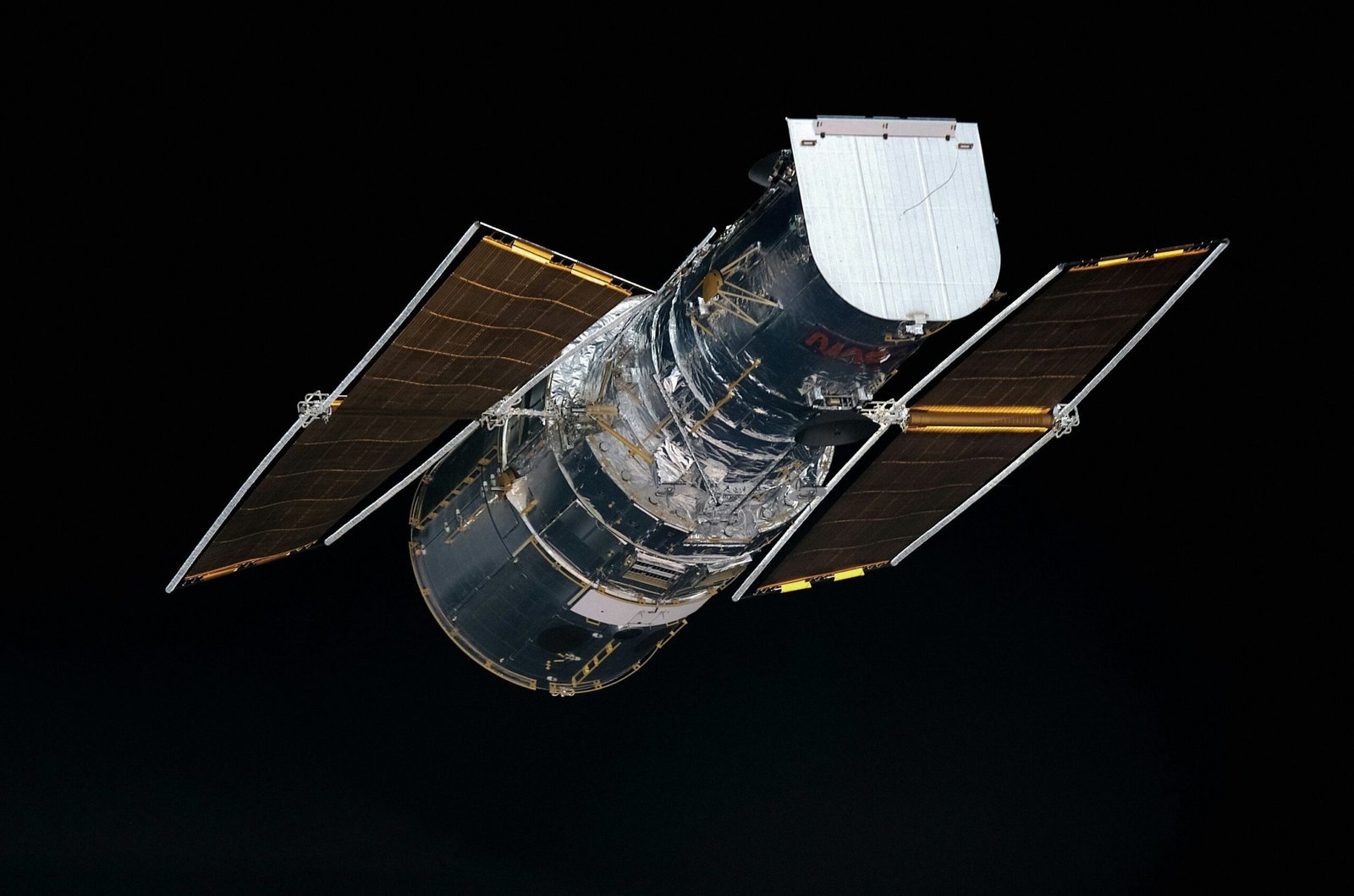
Satellite payloads are the crown jewels of space missions. They include cameras, sensors, communication equipment, and more—all crucial for mission success. But they’re also vulnerable to physical damage caused by micrometeoroids, solar radiation, manufacturing defects, or even human error during deployment. When these issues occur, a solid understanding of your insurance policy becomes vital for recovering losses.
How to File a Payload Damage Claim (Step-by-Step)
Optimist You: “Just follow the instructions!”
Grumpy Me: “Yeah, right… unless you want endless paperwork headaches.”
Step 1: Notify Your Insurer ASAP
Time is money when it comes to claims. Most policies require immediate notification—often within 24-72 hours—to avoid penalties. Gather preliminary evidence such as telemetry data, logs, or visual confirmation of the damage.
Step 2: Document Everything
This step sounds dull but trust me, skipping it is chef’s kiss for losing your claim. Create a timeline of events leading up to the incident. Include photos, sensor readings, or third-party reports that corroborate your case.
Step 3: Review Policy Terms Carefully
Now comes the hard part. Dig into your insurance contract to identify exactly what constitutes a valid claim. Look out for exclusions—like wear-and-tear clauses—that insurers might use to deny coverage.
Step 4: Submit Your Claim Form
Fill out every field carefully. Missing information can delay processing times. Attach supporting documents like invoices, maintenance records, or expert opinions.
Step 5: Follow Up Relentlessly
Insurance companies aren’t always proactive about updates. Stay on top of them via emails or calls until you receive a resolution.
Tips for Avoiding Payload Damage Claims
Avoiding damage altogether is infinitely better than dealing with claims later. Here’s how:
- Inveset in Rigorous Testing: Run simulations under extreme conditions before launch.
- Choose Reliable Launch Providers: Partner only with firms known for safety and precision.
- Monitor Continuously: Use real-time telemetry to catch potential issues early.
- Upgrade Software Regularly: Outdated firmware increases vulnerability to cyberattacks.
Terrific Tip Disclaimer: Don’t cut corners on cheaper materials or assembly techniques. That’s a guaranteed recipe for disaster.
Real-World Examples of Payload Damage Scenarios
Consider the infamous “SatCom X” failure in 2020. A tiny manufacturing defect in its antenna array led to signal interference, grounding the entire mission. Thanks to robust insurance, the operators recovered 70% of their costs—but imagine the stress!
FAQs About Payload Damage Claims
What counts as payload damage?
Payload damage refers to any harm or malfunction affecting the main operational components of a satellite—be it cameras, antennas, or sensors.
Can I claim without proof?
Nope. Evidence is king. Without proper documentation, your insurer may deny your claim outright.
Is micrometeoroid damage covered?
Most policies do cover natural hazards like micrometeoroid impacts, but check your fine print to confirm.
Conclusion
Payload damage claims don’t have to be overwhelming. By arming yourself with knowledge and planning ahead, you can minimize risks and maximize recovery if things go south. Remember: prevention beats cure, so invest wisely in quality testing and continuous monitoring.
And hey, keep this quote in mind: “Space exploration is cool, but space bureaucracy? Chef’s kiss bad.”
Bonus Haiku:
Orbiting silence,
Payload breaks—a costly fix.
Insure well; stay calm.