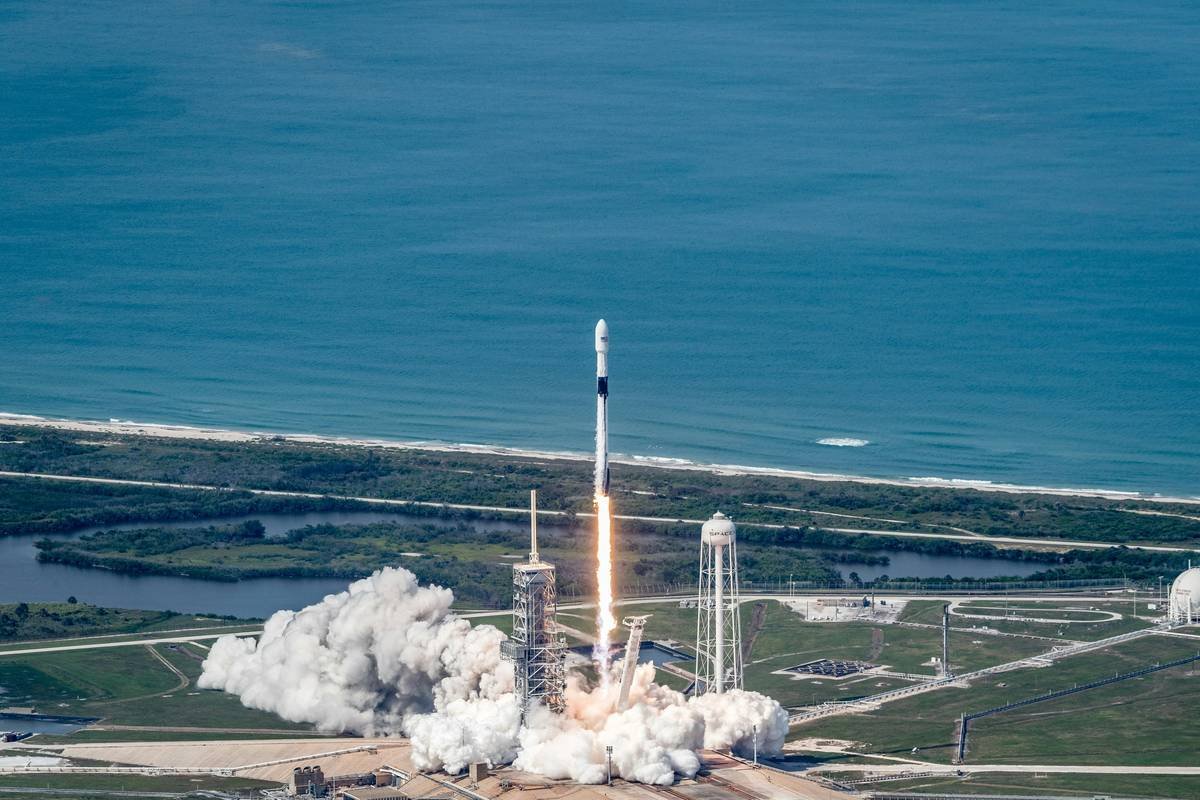
Ever stared at a satellite launch countdown and wondered, “What happens if it all goes *poof*?” You’re not alone. With billions of dollars riding on each successful mission, the stakes are astronomical—literally. One wrong move can leave companies scrambling for answers (and cash). That’s where mission-specific launch insurance comes in. But do you really need it? And how does it work?
In this post, we’ll explore why satellite operators swear by mission-specific launch insurance, break down its complexities step-by-step, share quirky tips to avoid catastrophic mistakes, and include real-world examples that’ll make your head spin faster than a geostationary orbit. Let’s decode space-age peace of mind together.
Table of Contents
- Key Takeaways
- Why Mission-Specific Launch Insurance Matters
- Step-by-Step Guide to Securing Coverage
- Tips & Best Practices for Smart Choices
- Real-World Examples of Success and Failure
- Frequently Asked Questions About Launch Insurance
- Conclusion
Key Takeaways
- Mission-specific launch insurance protects against losses during the high-risk phase of satellite deployment.
- It’s tailored to specific missions rather than offering blanket coverage, saving costs while managing risks effectively.
- Choosing the right insurer requires understanding terms like “payload value” and “failure thresholds.”
- Ignoring launch insurance could mean financial ruin in case of unforeseen failures—don’t skip this step!
Why Mission-Specific Launch Insurance Matters
Picture this: A small tech company invests years of effort and millions in R&D to deploy their first satellite prototype. The rocket soars majestically… until stage two fails mid-flight. Poof—$50 million turns into cosmic dust.
“I once thought ‘Space is huge; what are the odds?’” —confessed a startup founder who lost an entire payload due to poor planning. Lesson learned? Never underestimate Murphy’s Law when dealing with gravity-defying tech!

Step-by-Step Guide to Securing Coverage
Let’s break down the process:
Step 1: Assess Payload Value
Your first task is calculating your payload’s worth—not just manufacturing but also future revenue potential. Think beyond hardware replacement costs and factor in operational downtime.
Step 2: Understand Risk Factors
No two launches are identical. Are you using SpaceX or another provider? What’s the historical success rate? These nuances affect premiums.
Step 3: Shop Around for Insurers
Not every insurer specializes in satellites. Look for firms experienced in aerospace policies. Compare quotes obsessively—it’s unsexy work but pays off big time.
Step 4: Read the Fine Print
Here’s where people mess up royally. “Ugh, fine,” sighs Grumpy Optimist You, “but only if coffee’s involved.” Ensure exclusions don’t leave gaping holes in your policy.
Tips & Best Practices for Smart Choices
- Avoid Overinsuring: Tailor coverage strictly to actual risks instead of generic packages.
- Budget Wisely: Premiums typically range from 1%–10% of insured value depending on risk profiles.
- Double-Check Exclusions: Beware sneaky clauses excluding certain types of damage.
- **Terrible Tip Alert:** Don’t blindly trust brokers claiming they’ve got “the lowest rates ever!” Always verify independently.
Real-World Examples of Success and Failure
Consider SpaceX’s early days. Their Falcon 1 rocket blew up three times before finally succeeding—a costly streak mitigated by robust coverage tailored specifically to those risky flights. On the flip side, Japan’s H-IIA program suffered massive uninsured losses after a failure wiped out $800 million in assets.

Frequently Asked Questions About Launch Insurance
Q: What exactly is mission-specific launch insurance?
A: Unlike general aerospace policies, this type focuses exclusively on protecting one-time events like individual launches.
Q: How much does it cost?
A: Costs depend heavily on factors like vehicle reliability and payload complexity but often fall between 1%–10% of total insured value.
Q: Can I skip it?
A: Technically yes—but financially no. Skipping insurance leaves you vulnerable to potentially crippling expenses.
Conclusion
Wrapping things up, securing mission-specific launch insurance isn’t optional—it’s essential. By assessing your unique needs, comparing insurers carefully, and avoiding pitfalls other operators have fallen prey to, you can protect your spacefaring dreams from turning into budget-busting nightmares.
And remember, navigating the world of satellite insurance might feel overwhelming, but hey—at least you won’t lose sleep over blowing up rockets anymore. Chef’s kiss!
Like a Tamagotchi, your business needs daily care. Make sure insurance is part of your routine.