
Ever stared at the sky wondering, “What if *my* satellite launch gets delayed?” Sounds absurd, right? But for companies investing millions in satellite projects, this is a real concern. Enter launch delay insurance. If you’ve never heard of it or are curious about how it works, you’re in the right place.
In this post, we’ll explore why launch delay insurance is crucial for satellite ventures, how to get your hands on the best policies, and some tips that might save you from space-age headaches. Buckle up—this one’s out of this world!
Table of Contents
- Why Launch Delay Insurance Matters
- How to Secure Launch Delay Insurance Coverage
- Tips & Best Practices
- Real-Life Examples of Launch Delays (and What Could Have Saved Them)
- Frequently Asked Questions About Launch Delay Insurance
Key Takeaways
- Launch delay insurance safeguards against costly setbacks caused by unforeseen delays in satellite deployment.
- Understanding the intricacies of policy terms can help tailor coverage to fit specific needs.
- Proactive steps like pre-launch risk assessments significantly improve eligibility and premiums.
Why Launch Delay Insurance Matters
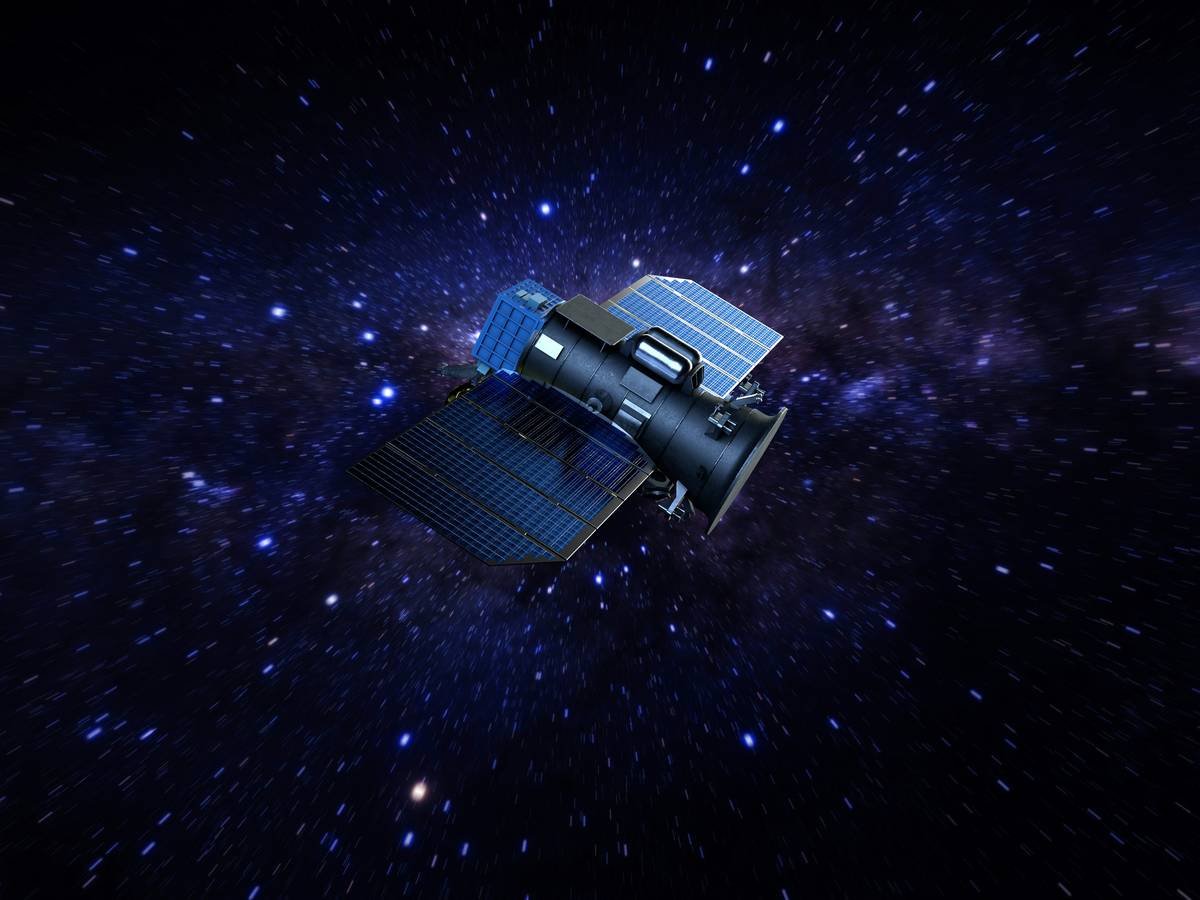
Picture this: You’ve spent years planning, millions of dollars funding, and countless hours engineering the perfect satellite. Then—a hiccup. A weather anomaly pushes back the launch date. Suddenly, you’re hemorrhaging money daily as contracts, client trust, and momentum evaporate into thin air. Oof.
Here’s where launch delay insurance swoops in like a superhero. It covers costs associated with postponements due to reasons beyond your control, such as mechanical failures, natural disasters, or even geopolitical issues. Without it, you could find yourself eating an astronomical loss (pun intended).
How to Secure Launch Delay Insurance Coverage
“You want me to insure *what*, exactly?” Let’s walk through it together—because securing insurance for something hurtling into outer space sounds complicated but doesn’t have to be.
Step 1: Assess Your Risks
Optimist You: “Hey, let’s just call up any insurance company!”
Grumpy You: “Not so fast, Sparky.” Not all insurers handle satellite-related risks. Start by identifying potential threats unique to your project.
- Weigh Environmental Factors: Is your launch window during hurricane season?
- Evaluate Technology Risks: Are there untested components involved?
Step 2: Shop Around
This isn’t Costco; don’t grab the first option you see. Compare quotes from at least three specialized insurers. Look for providers experienced in aerospace coverage—they know their stuff.
Step 3: Customize Your Policy
Cookie-cutter won’t cut it here. Tailor the policy to include contingencies relevant to YOUR mission, whether it’s crew illness, vendor mistakes, or alien invasions (kidding!).
Tips & Best Practices
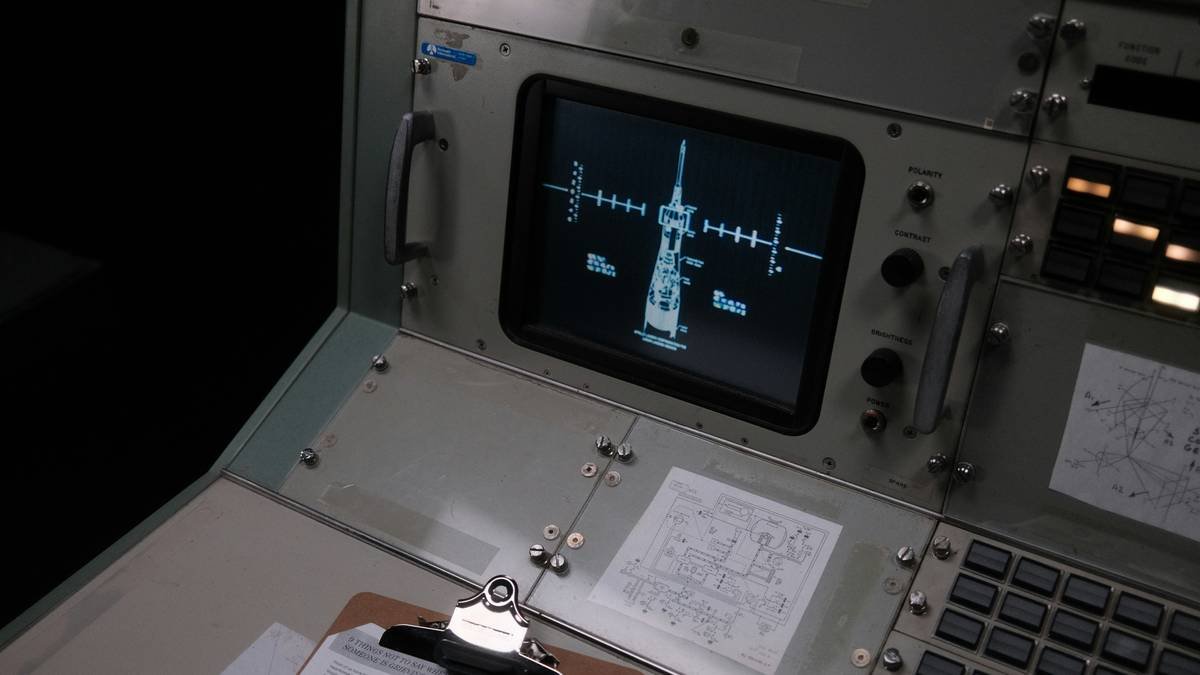
- Don’t Skimp on Documentation: Keep meticulous records of every step leading up to the launch. If claims arise later, solid documentation will make life easier.
- Avoid Overlooking Fine Print: One terrible tip? Assuming all “launch” risks are covered under standard clauses. Always read those terms carefully—some exclusions may surprise you.
- Work With Experts Early On: Consult brokers who specialize in aerospace. They’re worth their weight in rocket fuel when navigating complex contracts.
Real-Life Examples of Launch Delays (and What Could Have Saved Them)
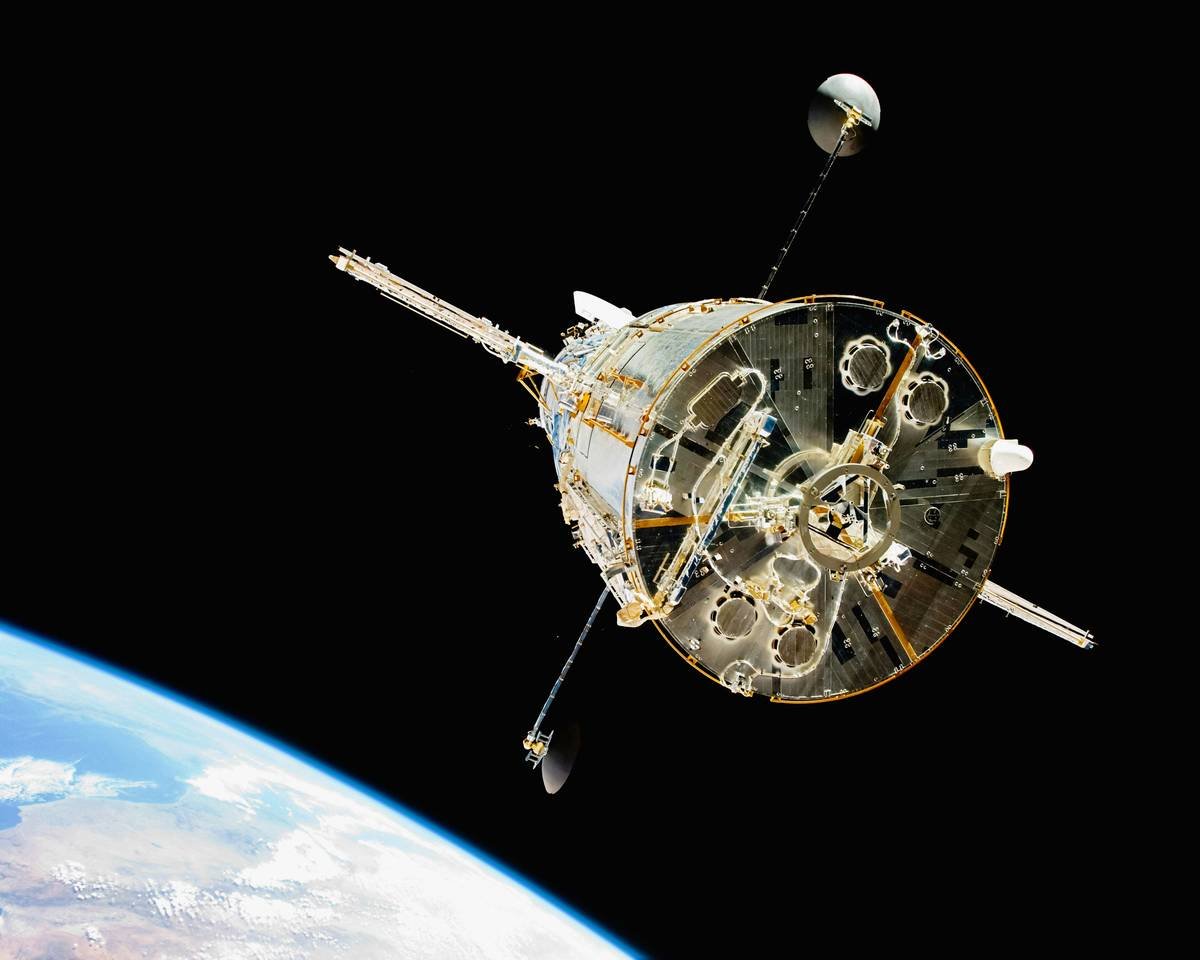
Let’s take SpaceX’s infamous 2016 Falcon 9 explosion—not because they lacked insurance, but because having robust contingency plans saved them from complete disaster. While no amount of coverage replaces lost hardware, strategic policies cushion financial blows.
Frequently Asked Questions About Launch Delay Insurance
Is launch delay insurance mandatory?
No, but skipping it feels like flying without a parachute. Most projects opt-in to mitigate financial vulnerabilities.
How much does it cost?
Premiums vary wildly based on factors like mission complexity, location, and provider reputation. Expect anywhere from $50,000 to several million annually.
Can I bundle it with other types of insurance?
Absolutely! Many firms combine it with liability or payload coverage for comprehensive protection.
Conclusion
Still think launch delay insurance is optional fluff? Think again—it’s the lifeline keeping your satellite dreams orbit-worthy. By assessing risks, shopping smartly, and choosing tailored policies, you set yourself up for success (even if launches temporarily stall).
And remember, even though space is vast and unpredictable, good preparation keeps us grounded. Now go ahead, chase those cosmic goals—with peace of mind, thanks to launch delay insurance.
Like dial-up internet, patience pays off eventually.
Or as Yoda would say, “Insurance strong with this one.” 🚀✨