
Ever stared at a sky full of satellites and wondered, “What happens if one goes kaput?” Spoiler alert: It’s not just about the hardware. When something goes wrong in space, the fallout can be astronomical—literally. Imagine losing millions (or billions) because your satellite got smacked by space debris or fried by solar flares. Sounds like a sci-fi movie plot, right? But it happens way more often than you’d think.
In this guide, we’re breaking down everything you need to know about insurance for satellite operators. From why it’s non-negotiable to how to pick the perfect policy, you’ll walk away armed with knowledge that could save your company from financial ruin—or worse. Buckle up; we’re launching into orbit!
Table of Contents
- Why Insurance for Satellite Operators Is Non-Negotiable
- How to Choose the Right Satellite Insurance Policy
- Best Practices for Managing Satellite Insurance
- Real-Life Success Stories of Properly Insured Satellites
- Frequently Asked Questions About Satellite Insurance
Key Takeaways
- Satellite insurance protects against risks like launch failure, collision, and malfunctions.
- The global satellite industry is projected to hit $397.5 billion by 2030—without proper coverage, operations are vulnerable.
- Premium costs vary based on factors like mission type, satellite size, and orbital location.
- Proactive risk management strategies can significantly reduce premiums.
Why Insurance for Satellite Operators Is Non-Negotiable
“Optimist You” might say, “Well, modern satellites are super reliable! What could possibly go wrong?” Meanwhile, “Grumpy Me” will remind you of the infamous Iridium-Cosmos collision in 2009. Two satellites collided over Siberia, creating thousands of pieces of debris still circling Earth today. Yeah, that kind of thing does happen.
Satellites face unique threats, including:
- Space Debris: Over 27,000 trackable objects larger than a softball hurtling through low-Earth orbit.
- Radiation: High-energy particles frying sensitive electronics.
- Launch Failures: Rockets exploding mid-flight—a real bummer.
- Technical Malfunctions: Even high-tech gear has its off days.

According to NASA, there’s a 1-in-500 chance per year that a catastrophic collision will occur in low-Earth orbit. Pair that with the fact that building and launching a single satellite can cost anywhere from $50 million to $400 million—and suddenly, skipping insurance looks less like frugality and more like playing Russian roulette with your budget.
How to Choose the Right Satellite Insurance Policy
If choosing satellite insurance feels as confusing as trying to decipher Elon Musk’s tweets—you’re not alone. Here’s how to do it step-by-step:
Step 1: Assess Your Risk Profile
Risk profiles depend on your specific mission parameters, such as:
- Mission type (e.g., communication, observation, navigation)
- Orbital altitude (Low-Earth vs. Geostationary)
- Likelihood of collisions (based on traffic density)
Step 2: Compare Coverage Types
Pre-Launch Insurance: Protects during manufacturing, transportation, and testing phases.
Launch Insurance: Covers losses during liftoff and early deployment stages.
In-Orbit Insurance: Shields against operational failures once the satellite is live.
Step 3: Evaluate Premium Costs
Premiums typically range between 6% to 20% of the insured value—but here’s where things get spicy. Higher-risk missions (like heading into geosynchronous orbit) come with steeper rates. Always shop around; insurers specialize differently, so finding the right match means big savings.
Best Practices for Managing Satellite Insurance
Let’s talk actionables. These tips will keep your premiums under control while ensuring you’re adequately covered:
- Diversify Your Coverage: Don’t rely solely on one insurer. Splitting policies spreads the financial load.
- Conduct Rigorous Testing: The fewer defects found pre-launch, the better your premium discounts.
- Review Annual Policies: Reassess coverage annually since risks evolve.
- Avoid This Terrible Tip: Never skimp on documentation. Poor record-keeping makes claims hellishly difficult.
Real-Life Success Stories of Properly Insured Satellites
Take SpaceX’s Starlink project, for example. In 2022, Falcon 9 rocket mishaps created headaches—but robust insurance allowed them to recover quickly without tanking profits. Without coverage? They’d have been grounded for months.
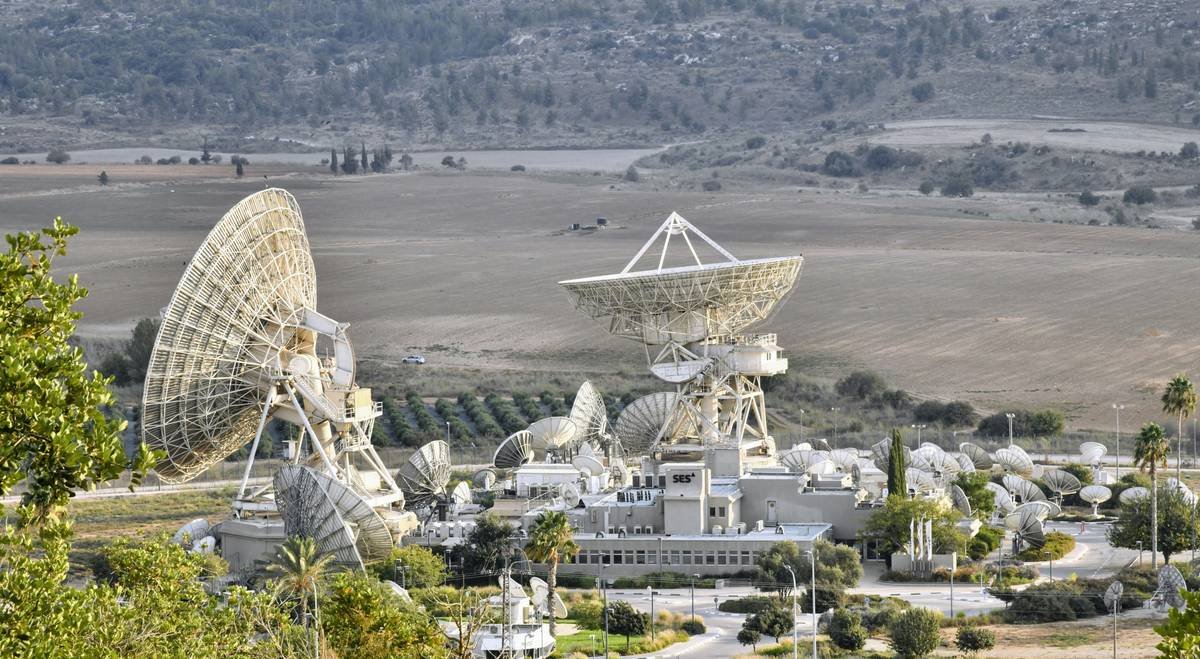
Another win came from SES, a Luxembourg-based operator whose satellite had a power outage mid-mission. Thanks to their in-orbit policy, they recouped nearly 80% of replacement costs—an absolute lifeline.
Frequently Asked Questions About Satellite Insurance
Q: How much does satellite insurance usually cost?
A: Costs vary widely but typically fall between 6% and 20% of the satellite’s insured value.
Q: Can small startups afford satellite insurance?
A: Yes, though smaller operators may choose partial coverage instead of full-value protection.
Q: What isn’t covered by standard satellite insurance?
A: Acts of war, intentional damage, and certain natural disasters may exclude payouts depending on the provider.
Conclusion
You made it! By now, you should feel equipped to tackle the wild world of insurance for satellite operators. Remember:
- Insurance is cheaper than replacing a lost satellite.
- Tailored policies beat generic ones every time.
- Proactive planning saves money—and sanity.
Think of it like this: Just because your satellite doesn’t technically “blink twice before crossing roads,” it still deserves backup in case trouble strikes. Now go forth and conquer space like a boss…with insurance tucked safely under your spacesuit.
“Like dial-up internet, satellite insurance might seem outdated until you realize you desperately need it. Then, it’s a game-changer.”