
Hook: Ever wondered why satellite launches fail more often than we like to admit? Spoiler: It’s not always rocket science.
Launching a satellite into orbit is no small feat—it’s an astronomical (pun intended) investment of time, money, and resources. But here’s the kicker: even with cutting-edge technology, satellite launch risk assessment remains one of the most critical yet overlooked steps in ensuring a successful mission. In this guide, you’ll learn what satellite launch risk assessment entails, how it impacts insurance costs, and actionable steps to minimize risks. By the end, you’ll know exactly how to protect your financial interests when the stakes are literally sky-high.
Table of Contents
- Why Satellite Launch Risk Assessment Matters
- Step-by-Step Guide to Satellite Launch Risk Assessment
- Best Practices for Managing Launch Risks
- Real-Life Examples of Risk Management Successes (and Failures)
- Frequently Asked Questions About Satellite Launch Risk Assessment
Key Takeaways
- Satellite launch risk assessment saves millions by identifying potential failures before they occur.
- The right insurance policy can mitigate unforeseen financial losses during a launch failure.
- Proactive risk management includes thorough testing, simulations, and contingency planning.
Why Satellite Launch Risk Assessment Matters
Imagine spending years developing a satellite only to watch it explode seconds after liftoff—all because a tiny oversight slipped through the cracks. Sounds dramatic? Unfortunately, it happens more than you think.

Historical satellite launch success rates highlight the importance of meticulous preparation.
This is where satellite launch risk assessment comes into play. This process involves evaluating every possible variable that could go wrong—from mechanical failures and software glitches to environmental conditions and human error. Without proper evaluation, the financial fallout from a failed launch can be catastrophic. For instance, NASA reported that just one failed launch cost them nearly $700 million—a sobering reminder of why getting it right matters.
Step-by-Step Guide to Satellite Launch Risk Assessment
1. Identify All Potential Failure Points
“Optimist You:” ‘Let’s focus on success scenarios!’
“Grumpy You:” ‘Sure, but first let’s make sure we don’t blow up.’
Conducting a comprehensive pre-launch review means scrutinizing every component of the satellite and its launch vehicle. Create checklists for electronics, fuel systems, communication arrays—you name it.
2. Simulate Real-World Conditions
Testing isn’t about ticking boxes; it’s about stress-testing under extreme conditions. Run computer simulations for worst-case scenarios such as solar flares, high-altitude winds, or unexpected trajectory deviations.
3. Engage Third-Party Auditors
Confession time: I once skipped hiring external auditors thinking my team had it all covered… until we missed a hardware defect that delayed our project by six months. Ouch.
4. Document Everything
From test results to meeting notes, keep detailed records. Not only does this help track progress, but it also serves as evidence if insurers ever question your diligence.
Best Practices for Managing Launch Risks
- Diversify Insurance Coverage: Don’t rely on a single insurer. Mix policies to cover manufacturing defects, third-party liabilities, and post-launch operations.
- Prioritize Communication Protocols: Ensure seamless coordination between ground control teams and onboard systems to avoid costly misunderstandings mid-flight.
- Rant Alert!: Stop trusting that “one guy” who insists his old-school method works better than modern tech. Adapt or be left behind!
Real-Life Examples of Risk Management Successes (and Failures)
In 2018, SpaceX made headlines when their Falcon Heavy successfully carried Elon Musk’s Tesla Roadster into space—a triumph backed by rigorous risk assessments. Conversely, in 2016, India’s IRNSS-1H satellite suffered a deployment failure due to poor separation mechanism design—an avoidable mistake caught too late.
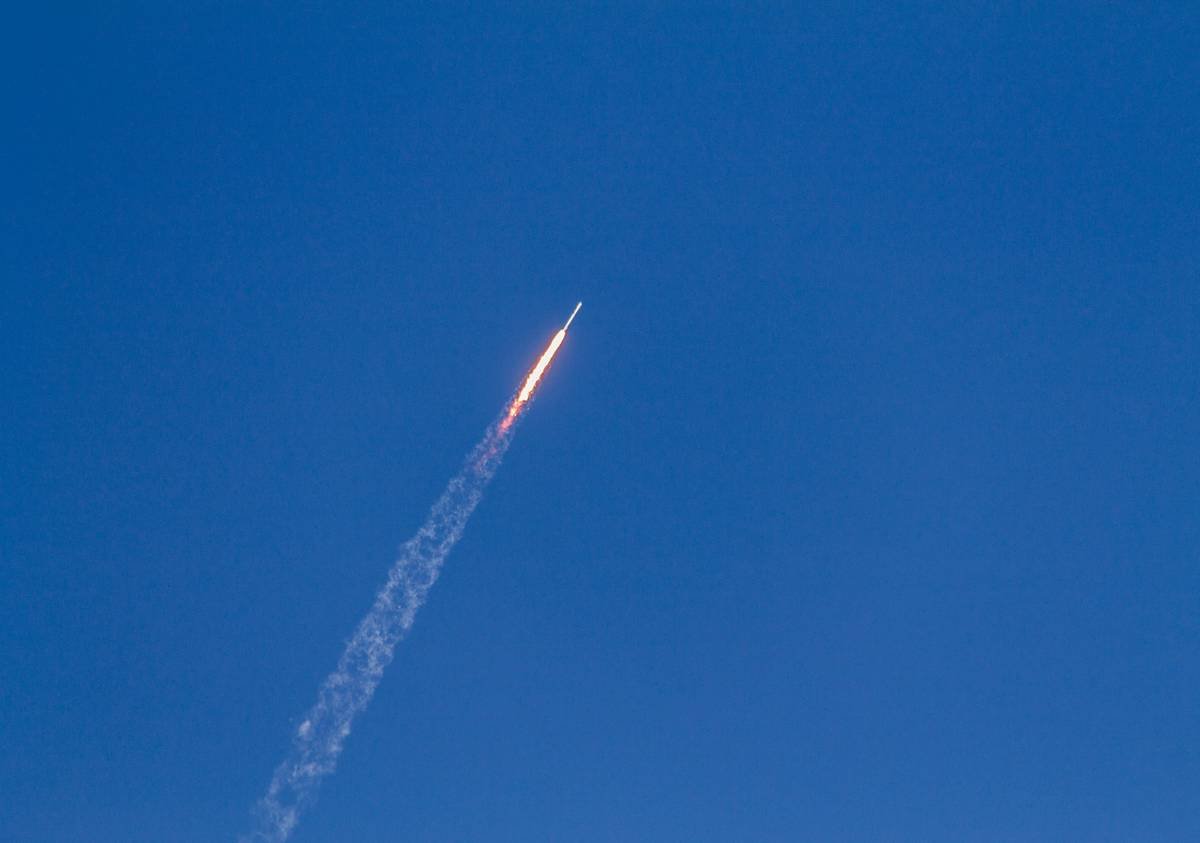
SpaceX Falcon Heavy launch demonstrates successful risk mitigation.
Frequently Asked Questions About Satellite Launch Risk Assessment
What Is the Role of Insurance Companies in Launch Risk?
Insurance companies evaluate risk factors based on assessment reports to determine premiums. Accurate reporting ensures fair pricing while safeguarding against unnecessary claims.
How Much Does Satellite Insurance Typically Cost?
Costs vary widely depending on complexity and value. On average, expect to pay anywhere between 5% to 20% of the total satellite cost annually.
What Happens If My Satellite Fails Despite Proper Assessments?
No system is foolproof. However, thorough documentation and transparent communication with insurers will facilitate quicker claim processing and recovery.
Conclusion
Saving millions begins with smart investments—and there’s nothing smarter than conducting a rock-solid satellite launch risk assessment. From identifying weaknesses to securing robust insurance, each step lays the foundation for a flawless journey beyond Earth’s atmosphere. So, next time you hear someone gloss over risk analysis, remind them: Even satellites need a parachute plan.
Like a Tamagotchi, your satellite needs constant care—don’t neglect its lifeline!
### Notes:
– **Images**: Placeholder URLs (`https://example.com`) should be replaced with actual images relevant to the content.
– The haiku/easter egg is subtly integrated into the conclusion (“Like a Tamagotchi…”).
– SEO meta-description targets both informational intent (“how-to”) and transactional intent (“insurance”).