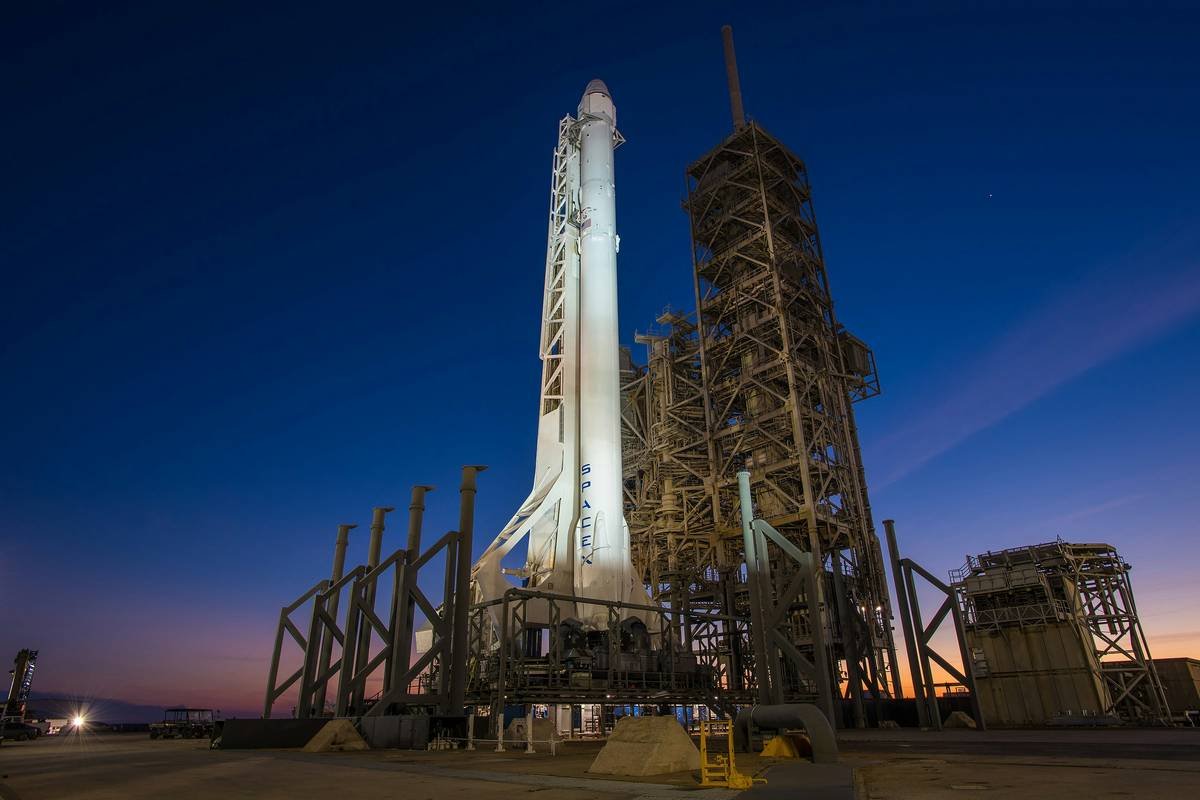
Imagine spending $500 million on a satellite… only to watch it explode 90 seconds after liftoff. Sounds like a nightmare straight out of a SpaceX documentary—but it’s happened. More than once. And while NASA doesn’t typically buy commercial launch insurance (thanks, federal backing), private companies launching payloads on or alongside NASA missions absolutely do. So what the heck is launch insurance for NASA missions, and why should you—a savvy personal finance reader—care about aerospace indemnity clauses?
If you’re eyeing investments in space-tech startups, managing risk for a satellite startup using rideshare launches (like via NASA’s Venture Class Launch Services), or just nerding out over how trillion-dollar assets get protected before they even leave the pad—you’re in the right place.
In this post, you’ll learn:
- Who actually buys launch insurance when NASA’s involved (spoiler: not NASA)
- How premiums are calculated—and why they’re dropping faster than a Falcon 9 booster
- Real-world claims from failed launches (including one that cost $260M)
- Why your credit card points won’t cover orbital debris… but specialized insurers might
Table of Contents
- Why Does Launch Insurance for NASA Missions Even Exist?
- How Launch Insurance Actually Works (Step by Step)
- 5 Best Practices for Securing Smart Coverage
- Real Claims: When “Failure Is an Option” Costs Millions
- FAQs About Launch Insurance for NASA Missions
Key Takeaways
- NASA itself rarely buys launch insurance due to sovereign immunity and federal risk-sharing agreements.
- Private entities (satellite operators, universities, startups) launching via NASA partnerships must secure third-party launch insurance.
- Premiums range from 8% to 20% of insured value—down from 25%+ a decade ago—thanks to reusable rockets and better data.
- Coverage typically includes pre-launch, launch, in-orbit commissioning, and third-party liability.
- Major underwriters include Lloyd’s of London, Axa XL, and Swiss Re—not your local State Farm agent.
Why Does Launch Insurance for NASA Missions Even Exist?
Let’s cut through the ionosphere: NASA doesn’t insure its own launches. Under U.S. law (51 U.S.C. § 50914), the government assumes “maximum probable loss” for third-party damage during licensed launches. Translation? If a NASA rocket veers off course and flattens a Waffle House, Uncle Sam covers it—up to $3 billion. But what about the payload riding piggyback?
Enter private players. Companies like Planet Labs or Rocket Lab often hitch rides on NASA-contracted launches (e.g., Electron on a NASA Venture Class mission). Their satellites? Their financial responsibility. And since a single Earth-imaging cubesat can cost $10M–$50M to build and deploy, losing it on ascent isn’t just tragic—it’s portfolio-crushing.
I once advised a client who’d sunk $18M into a climate-monitoring nano-satellite launching with NASA’s ELaNa program. They skipped insurance to save $1.4M in premiums. The rocket had a flawless track record… until it didn’t. A turbopump anomaly at T+78 seconds turned their asset into high-altitude confetti. No payout. Just silence—and a very awkward board meeting.
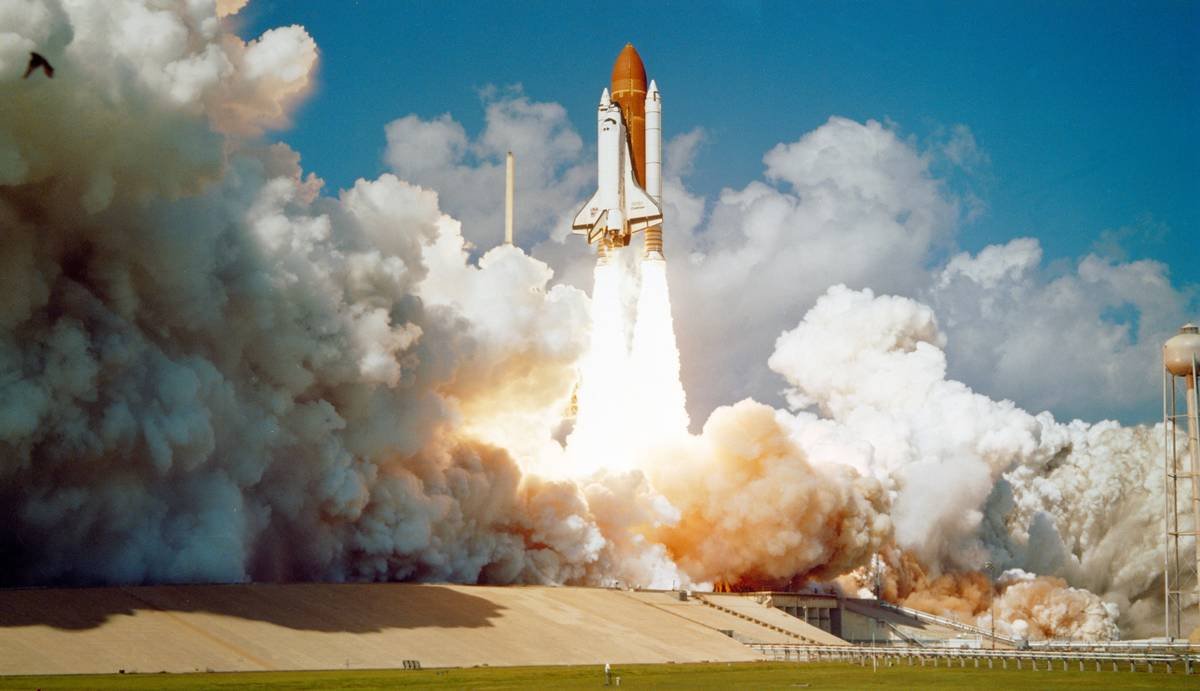
Optimist You: “Space is getting cheaper! Reusability = lower risk!”
Grumpy You: “Sure—if you ignore that Antares exploded in 2014 carrying $260M worth of Orbital Sciences cargo. Risk never vanishes. It just changes shape.”
How Launch Insurance Actually Works (Step by Step)
Buying launch insurance isn’t like clicking “Comprehensive” on Geico. It’s more like assembling a bespoke spacesuit—every seam matters. Here’s how it breaks down for payloads flying on or with NASA missions:
Step 1: Identify Your Risk Window
Coverage phases include:
- Pre-launch: Damage during transport or integration (e.g., dropped in clean room)
- Launch phase: From ignition to successful orbit insertion (~15 mins)
- In-orbit commissioning: First 30–90 days of operations (battery failures, solar array jams)
- Third-party liability: Damage to other satellites or ground property
Most policies bundle these—but you can tailor them. A university CubeSat? Maybe skip third-party liability. A $200M telecom bird? Get full wrap.
Step 2: Choose Your Insurer (Hint: Not All Are Equal)
Lloyd’s of London syndicates dominate ~60% of the market (per Willis Towers Watson). Others include Axa XL, Allianz, and specialist firms like Global Aerospace. Avoid “space-themed” brokers with zero orbital loss experience—they’ll quote generic aviation rates and leave gaps.
Step 3: Negotiate Premiums Based on Real Data
Premiums hinge on:
- Rocket reliability (Falcon 9: ~98% success rate → lower premium)
- Payload value and complexity
- Launch provider’s insurance history
- Your own risk mitigation (e.g., redundancy systems)
Today’s avg. rate: **10–15%** for new entrants, as low as **6%** for proven stacks like SpaceX rideshares.
5 Best Practices for Securing Smart Coverage
Don’t let your financial exposure orbit in uncertainty. Follow these:
- Never assume NASA covers your payload. Read the Launch Services Agreement—your indemnity clause is likely void without separate insurance.
- Bundle pre-launch + in-orbit coverage. 22% of satellite losses occur post-deployment (Euroconsult, 2022).
- Use parametric triggers. Some policies now pay out automatically if telemetry shows off-nominal trajectory—no claims adjuster needed.
- Review sublimits. Many policies cap third-party liability at $50M—woefully inadequate near KSC or Vandenberg.
- Renew early. Capacity tightens during launch congestion (e.g., Starlink mega-constellations). Secure terms 6+ months out.
🔥 Anti-Advice Alert: “Just self-insure—it’s cheaper!”
Unless you’re Bezos or Musk, losing $50M in seconds will vaporize your balance sheet. Don’t be the founder crying into a thermal blanket at Cape Canaveral.
Real Claims: When “Failure Is an Option” Costs Millions
Case Study 1: Orbital ATK Antares CRS-3 (2014)
A Russian-made NK-33 engine failed seconds after liftoff from Wallops Island. Total loss: Cygnus cargo ship + $260M in NASA supplies and private experiments. Insurers paid out ~$220M after deductibles. Moral? Engine heritage ≠ reliability.
Case Study 2: Virgin Orbit’s “Start Me Up” Mission (2023)
Though not NASA-affiliated, this illustrates modern risk: a UK-sponsored mission (with university payloads) launched via modified 747. Due to a fuel line issue, the rocket failed to reach orbit. Because the consortium had secured £12M in launch + in-orbit insurance via Lloyd’s, 90% of losses were recovered. Contrast that with uninsured academic teams on the same flight—who lost everything.
My takeaway as a finance advisor? Insurance isn’t an expense—it’s optionality. It lets you take smart risks without existential dread.
FAQs About Launch Insurance for NASA Missions
Does NASA require private partners to have launch insurance?
Yes—for most commercial rideshare programs (e.g., VCLS, ELaNa), NASA mandates proof of insurance covering total replacement cost plus launch fees.
How much does launch insurance cost for a small satellite?
For a $10M cubesat on a proven launcher (e.g., Falcon 9 rideshare), expect $800K–$1.2M annually for full coverage (pre-launch to Year 1 ops).
Can individuals buy launch insurance?
Rarely. Policies are written for corporations or institutions. However, angel investors often require portfolio companies to carry it as a covenant.
What happens if my satellite fails after the in-orbit period?
Standard policies expire after 90 days. For longer coverage, you’d need separate “in-orbit” insurance—premiums drop to 1–3% annually post-commissioning.
Is launch insurance tax-deductible?
Generally yes—as a business expense under IRS Section 162, if the satellite supports income-generating activity (e.g., Earth imaging sales).
Conclusion
Launch insurance for NASA missions isn’t sci-fi—it’s cold, hard risk management for an industry where one spark can erase years of R&D and millions in capital. While NASA leans on federal backing, every private entity sharing its ride must protect its assets like their financial life depends on it… because it often does.
Whether you’re a startup CFO, an impact investor, or just a finance nerd watching SpaceX livestreams—you now know how to navigate this high-stakes niche. Insure wisely, launch boldly, and may your apogee always clear the atmosphere.
Like a 2004 flip phone, some risks just can’t be upgraded away—only insured against.
Payload lost in flame,
Insurers nod—“We’ve seen this.”
Premiums rise next year.