
Ever wondered why a government satellite launch costs an arm and a leg, and how you can protect your investment? If you’re nodding, you’re in the right place. In this post, we’ll dive deep into the world of government satellite launch insurance. You’ll learn why it’s crucial, how to get it, and some best practices to make sure your mission-critical assets are covered.
Table of Contents
Key Takeaways
- Why government satellite launch insurance is essential for mitigating risks.
- A step-by-step guide to acquiring the right insurance policy.
- Best practices and tips for maximizing coverage and minimizing premiums.
- Real-world examples and case studies to provide context.
- Frequently asked questions and answers to help you navigate the process.
Problem/Background: Why Government Satellite Launch Insurance Matters
Imagine you’ve spent years and millions of dollars developing a state-of-the-art satellite. The launch day arrives, and everything seems perfect. But then, disaster strikes. A launch failure, a technical glitch, or even a natural disaster can derail your project and set you back by years. This is where government satellite launch insurance comes in.
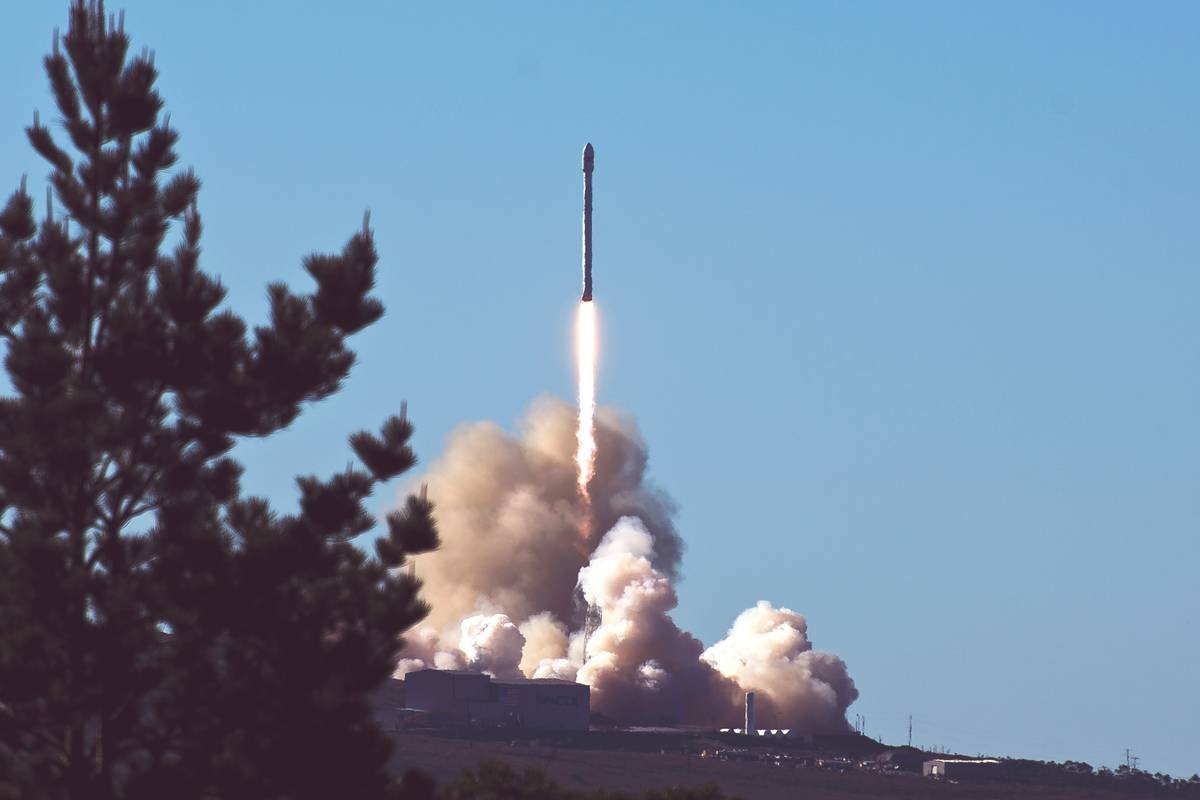
Government satellite launch insurance is not just a nice-to-have; it’s a necessity. It provides financial protection against the myriad risks that come with launching a satellite, from pre-launch preparation to post-launch operations. Without it, a single failure could mean the end of your project—and your budget.
Step-by-Step Guide: How to Get Government Satellite Launch Insurance
Navigating the world of satellite insurance can be daunting, but with this step-by-step guide, you’ll be well on your way to securing the right coverage.
Assess Your Risk
First, you need to understand the specific risks associated with your mission. This includes:
- Launch vehicle failure
- In-orbit malfunction
- Space debris collisions
- Natural disasters (e.e., solar storms)
- Cyber threats
*Optimist You:* “Identifying these risks will help you tailor your insurance policy.”
*Grumpy You:* “Yeah, if only risk assessment was as easy as watching cat videos on YouTube…”
Choose an Insurance Provider
Research and select a reputable insurance provider that specializes in space and satellite insurance. Look for providers with a strong track record and a deep understanding of the unique challenges of the space industry.
Get a Quote
Once you’ve selected a provider, request a detailed quote. This should include:
- Premium costs
- Policy terms and conditions
- Coverage limits
- Deductibles and co-pays
Review and Negotiate
Carefully review the quote and negotiate if necessary. Make sure you fully understand the policy and there are no hidden clauses or exclusions.
Sign the Policy
Once you’re satisfied with the terms, sign the policy. Ensure that all key stakeholders are aware of the coverage and any obligations they may have.
Tips/Best Practices for Maximizing Coverage and Minimizing Premiums
Here are some essential tips to help you get the most out of your government satellite launch insurance:
- Conduct thorough risk assessments to identify and mitigate potential issues before getting insurance.
- Work with experienced brokers who specialize in space and satellite insurance.
- Consider bundling different types of coverage (e.g., pre-launch, in-orbit, and liability) to get better rates.
- Document all stages of the project, including testing and quality control measures, to demonstrate due diligence.
- Regularly review and update your insurance policy as your project evolves and new risks emerge.
Examples/Case Studies: Real-World Success Stories
Let’s look at some real-world examples of how government satellite launch insurance has made a difference:
Case Study 1: The Sentinel Mission
The European Space Agency (ESA) launched the Sentinel-1 mission, a series of Earth observation satellites. Despite rigorous testing and planning, one of the satellites experienced a critical malfunction during in-orbit operations. Thanks to their comprehensive insurance policy, ESA was able to recoup the losses and continue with the mission without significant delays.
Case Study 2: The Mars Rover
NASA’s Mars Rover missions have faced numerous challenges, from dust storms to technical malfunctions. Their robust insurance policies have been instrumental in managing these risks and ensuring the successful continuation of the missions.
FAQs: Your Questions Answered
What does government satellite launch insurance cover?
Government satellite launch insurance typically covers a wide range of risks, including launch vehicle failure, in-orbit malfunction, space debris collisions, natural disasters, and cyber threats. Specific coverage varies based on the policy and provider.
How much does government satellite launch insurance cost?
The cost of government satellite launch insurance depends on several factors, including the complexity of the mission, the value of the satellite, and the specific risks involved. Premiums can range from a few thousand to millions of dollars per year.
Can I get insurance for commercial satellites?
Absolutely! While this post focuses on government satellite launch insurance, many of the principles and processes apply to commercial satellite insurance as well. Just make sure to work with a provider that specializes in commercial space insurance.
Conclusion
Securing government satellite launch insurance is a critical step in protecting your mission-critical assets. By understanding the importance of this coverage, following the steps to acquire the right policy, and implementing best practices, you can ensure that your satellite project is safeguarded against the many risks it faces.
Remember, the key to success is being prepared and informed. With the right insurance in place, you can focus on what matters most—achieving your mission objectives.
Like a Tamagotchi, your satellite needs daily care—and so does your insurance policy. Stay vigilant, stay protected, and good luck with your mission!