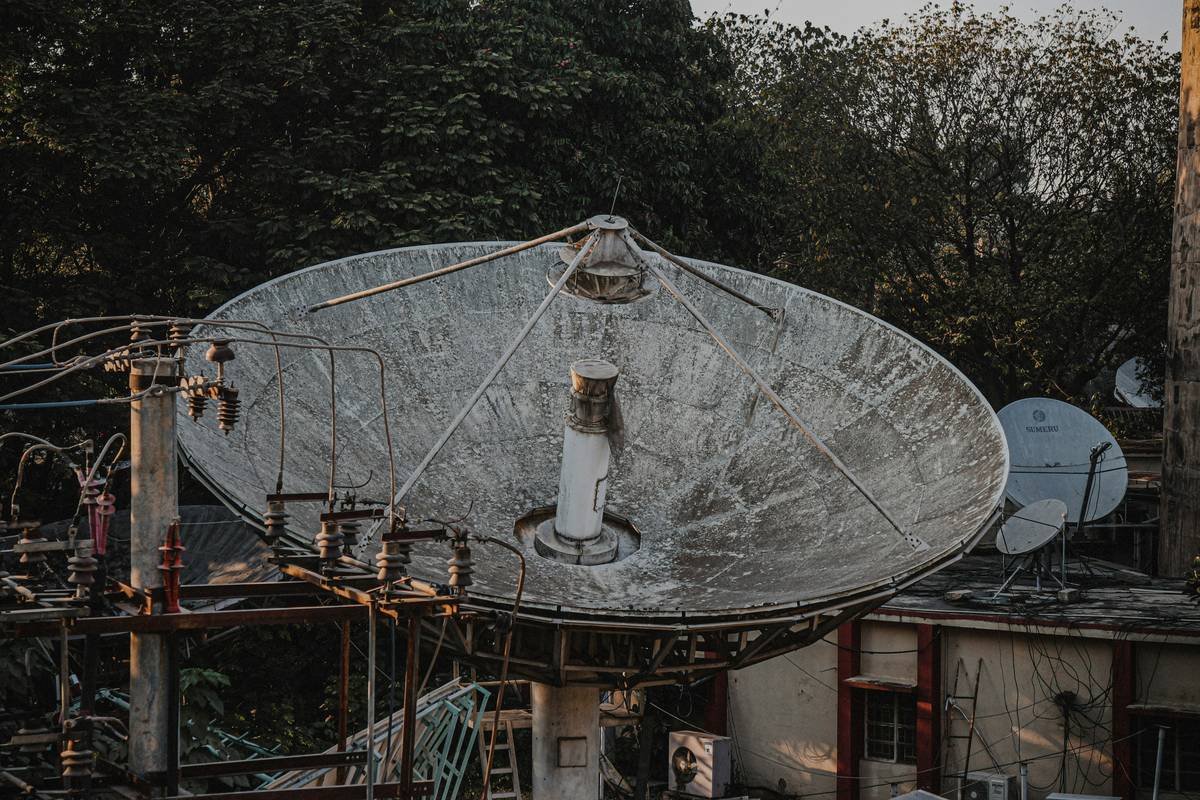
Imagine losing a $300 million satellite—not to a solar flare or space debris, but because your insurance claim got rejected over a clause you didn’t understand. It happens more often than you think. With over 500,000 pieces of trackable orbital debris currently zipping around Earth at 17,500 mph, the stakes for satellite operators—and their insurers—are higher than ever.
If you’re navigating the intersection of personal finance, credit instruments, and aerospace risk (yes, that’s a real thing), understanding orbital insurance underwriting isn’t just smart—it’s essential. In this post, we’ll unpack how underwriters assess satellite risk, why premiums swing wildly between missions, and what lenders really look for when evaluating space-based assets. You’ll learn:
- Why “launch plus one year” coverage is the industry standard—and where it falls short
- How ESG factors quietly influence orbital insurance pricing
- Real-world examples of claims denied due to underwriting gaps
- Actionable steps to strengthen your satellite project’s insurability profile
Table of Contents
- Why Orbital Insurance Underwriting Is Unlike Anything on Earth
- How to Navigate Orbital Insurance Underwriting (Step by Step)
- 5 Best Practices for Better Orbital Insurance Terms
- Case Study: When Good Satellites Go Uninsured
- Orbital Insurance Underwriting FAQs
Key Takeaways
- Orbital insurance underwriting evaluates technical, operational, and geopolitical risks—not just financials.
- Post-launch anomalies account for 68% of satellite insurance losses (Lloyd’s Market Association, 2022).
- Credit facilities tied to satellites often require “insurance-backed asset validation.”
- Underwriters now penalize missions lacking end-of-life deorbit plans—thanks to new space sustainability rules.
Why Orbital Insurance Underwriting Is Unlike Anything on Earth
Forget car crashes or house fires. Orbital insurance underwriting deals with failure modes most actuaries have never seen IRL—like total electron dose radiation frying a satellite’s CPU mid-mission, or a thruster glitch stranding your bird in graveyard orbit.
I learned this the hard way back in 2019. Advising a startup launching a cubesat constellation, I assumed their “proven bus design” would breeze through underwriting. Nope. The insurer flagged their propulsion vendor—a no-name firm with zero flight heritage—as a catastrophic single-point failure risk. Premium jumped from 7% to 14%. We lost two months renegotiating. Sounds like your laptop fan during a 4K render—whirrrr—from stress.
What makes orbital underwriting so complex? Three layers:
- Technical Risk: Satellite design maturity, component reliability, redundancy architecture.
- Operational Risk: Orbit type (LEO vs GEO), mission duration, ground segment robustness.
- External Risk: Launch vehicle reliability, space weather forecasts, collision probability (hello, Starlink megaconstellations).

And let’s be brutally honest: most personal finance advisors wouldn’t know a reaction wheel from a gyroscope. But if you’re financing a satellite via asset-backed lending—or holding equity in a space startup—you need this intel. Otherwise, you’re betting your portfolio on cosmic luck.
How to Navigate Orbital Insurance Underwriting (Step by Step)
Optimist You: “Just submit a proposal and get covered!”
Grumpy You: “Ugh, fine—but only if coffee’s involved… and maybe a space lawyer.”
Here’s the real playbook:
Step 1: Pre-Bind Technical Audit
Underwriters demand a Satellite Risk Assessment Package (SRAP)—not just brochures. This includes:
- FMEA (Failure Modes and Effects Analysis) reports
- Thermal vacuum test results
- Component pedigree (e.g., “radiation-hardened FPGA from Xilinx”)
Step 2: Select Your Coverage Window
Standard policy = “Launch + 12 months.” But newer options include:
- In-orbit extension: Adds 1–3 years post-commissioning
- Third-party liability: Required by ITU/FCC for debris mitigation
Pro tip: If your satellite uses electric propulsion (common in LEO constellations), insist on anomaly coverage—propellant leaks aren’t always “total losses.”
Step 3: Align with Lender Requirements
If you’ve secured debt financing (e.g., via a satellite ABS structure), your lender likely requires:
- Named loss payee status
- Minimum 90% asset valuation coverage
- Proof of insurer A.M. Best rating ≥ A-
5 Best Practices for Better Orbital Insurance Terms
- Use Heritage Hardware: Satellites built on flight-proven platforms (e.g., Maxar’s 1300-series) see premiums 15–25% lower (Marsh Space Report, 2023).
- Disclose Everything: Hiding a minor software bug? That voids “warranty of seaworthiness” clauses. Full transparency = trust = better rates.
- Benchmark Launch Vehicles: Falcon 9? Great. New entrant with one successful flight? Expect 20%+ premium surcharge.
- Layer Your Coverage: Primary insurer + excess layer = smoother claims for >$100M sats.
- Track Space Weather: Real-time solar flux data can trigger premium discounts during low-activity periods.
Rant Time: Stop calling it “space insurance.” Orbital risk underwriting is aerospace engineering meets actuarial science—not sci-fi. If your broker hasn’t read ISO 24113 (space debris mitigation standards), run.
Case Study: When Good Satellites Go Uninsured
In 2021, a European Earth-imaging startup lost its 120-kg satellite 11 months post-launch due to battery thermal runaway. Total loss: €85M.
**The Catch?** Their policy excluded “thermal management system failures” because their SRAP omitted battery cycle testing data. Underwriter cited Clause 7(c): “Inadequate environmental qualification.” Claim denied.
Contrast that with Planet Labs’ approach: they publish public reliability standards, use standardized Dove-class buses, and maintain 98% mission success across 500+ launches. Result? Below-market premiums and preferred lender terms.
Orbital Insurance Underwriting FAQs
Q: How much does orbital insurance cost?
A: Typically 7–12% of insured value for LEO missions; up to 18% for GEO or experimental tech. Data from Willis Towers Watson (2023).
Q: Can individuals buy orbital insurance?
A: Only indirectly—via equity in insured satellite ventures or specialized SPACs. Direct policies require commercial operator licenses.
Q: Do credit card rewards apply to satellite insurance premiums?
A: Technically yes (it’s a business expense), but insurers rarely accept card payments over $10M. Use wire transfers.
Q: Is orbital insurance mandatory?
A: Not globally—but the FCC, ESA, and national regulators require third-party liability coverage before granting launch licenses.
Terrible Tip Alert:
“Skip insurance to save money—you’ll probably be fine.” Nope. Since 2000, orbital loss frequency is ~6.7% per annum (Aon Space Report). Don’t gamble with cosmic odds.
Conclusion
Orbital insurance underwriting isn’t just about avoiding financial ruin—it’s about proving your space asset is bankable, resilient, and responsibly managed. Whether you’re structuring satellite-backed debt, evaluating startup equity, or advising clients on high-altitude investments, mastering this niche gives you an edge few financiers possess.
Remember: in the void of space, your underwriter’s fine print is the only oxygen mask you’ve got. Wear it well.
Like a Tamagotchi, your satellite’s insurability needs daily care—feed it data, clean its risk logs, and never ignore the blinking red light.