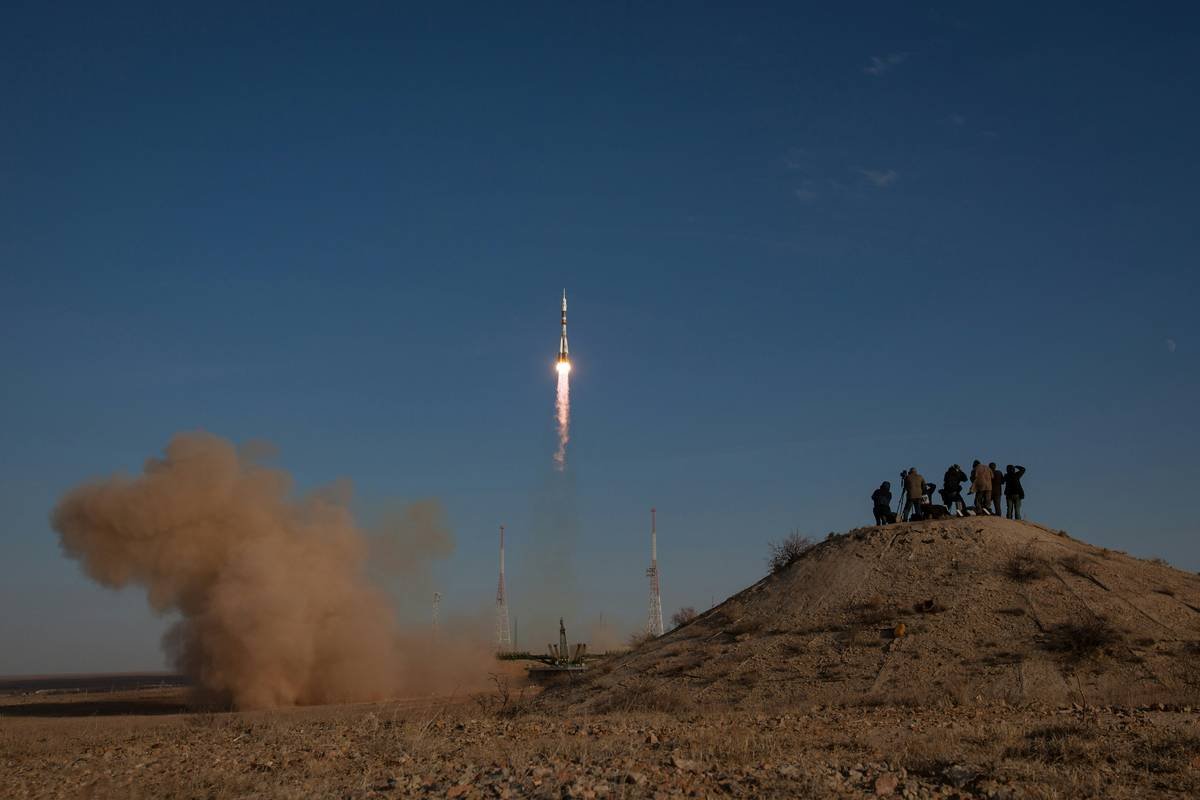
Ever daydreamed about launching your own satellite—only to check the price tag and nearly spill your third coffee of the morning? You’re not alone. Most people assume it’s just “a few million,” but the truth? It ranges from $200,000 for a pocket-sized cubesat piggybacking on a SpaceX ride-share… to upwards of $400 million for a full-blown geostationary telecom bird with custom shielding, propulsion, and redundancy systems.
If you’re exploring this frontier—whether you’re a startup founder, university researcher, or indie aerospace enthusiast—you need more than rocket science. You need smart risk management. And that means understanding **satellite insurance**: who offers it, what it covers, and why skimping could vaporize your ROI faster than a solar flare melts unshielded circuitry.
In this post, we’ll unpack:
✅ The real cost breakdown of launching a satellite (yes, even the “hidden” fees),
✅ How satellite insurance works—and which insurers actually understand space risk,
✅ A cautionary tale from my own consulting gig where a client skipped coverage (spoiler: their $3M cubesat became orbital confetti),
✅ And actionable steps to protect your investment without blowing your budget.
Table of Contents
- Key Takeaways
- Why Do Satellite Launch Costs Vary So Wildly?
- Step-by-Step: Planning Your Launch Budget (Including Insurance)
- Best Practices for Managing Space Risk Without Going Broke
- Real-World Case Study: When Insurance Saved a $12M Mission
- FAQs About Satellite Launch Costs & Insurance
Key Takeaways
- Launching a satellite costs $200K–$400M+, depending on size, orbit, and launch provider.
- Satellite insurance typically costs 8–15% of the satellite’s total insured value—not optional if you’ve got investors or loans.
- Major insurers like Lloyd’s of London, AXA XL, and Munich Re dominate the space insurance market—but specialization matters.
- Pre-launch coverage is critical: ~10% of all launches fail during ascent (per ESA data).
- Never skip in-orbit testing coverage—it catches silent failures before they become total losses.
Why Do Satellite Launch Costs Vary So Wildly?
“How much to launch a satellite?” sounds simple—but it’s like asking, “How much does a car cost?” Are we talking a go-kart or a Lamborghini with rocket boosters?
The devil’s in the details: mass, orbit type, launch vehicle, integration complexity, and even geopolitical factors (looking at you, export controls under ITAR). A 1U cubesat (10x10x10 cm) on SpaceX’s Transporter rideshare might cost $300,000 all-in—including integration and launch. But a 5,000 kg GEO comms satellite? You’re chartering a Falcon 9 or Ariane 5 solo mission—easy $100M+ just for liftoff.
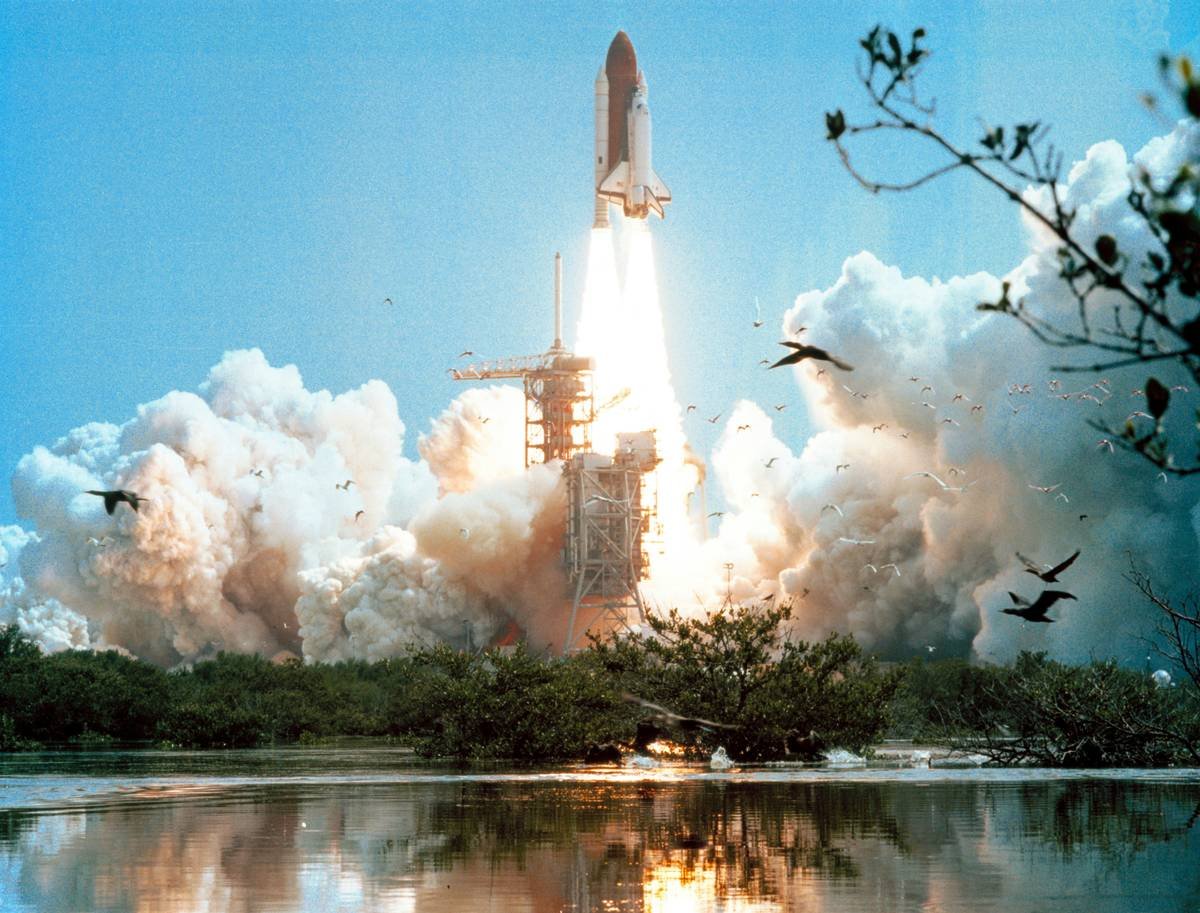
And that’s before you factor in insurance—which isn’t just a line item. It’s often a prerequisite for funding. Banks won’t lend against an uninsured asset hurtling through Van Allen belts at 7 km/s. I once advised a climate-tech startup whose VC pulled out because they hadn’t even quoted space insurance. Ouch.
Optimist You: “Wow, rideshares make space accessible!”
Grumpy You: “Yeah, until your cubesat gets jostled loose by its rowdy neighbor during deployment. Then you’re just donating to the Kármán line art exhibit.”
Step-by-Step: Planning Your Launch Budget (Including Insurance)
How do I estimate my total cost?
Break it into phases:
- Design & Build: $200K (amateur cubesat) to $300M+ (military-grade payload).
- Launch: $200K–$100M+ (see chart above).
- Ground Ops: $50K–$5M/year for telemetry, tracking, and command (TT&C).
- Insurance: 8–15% of total asset value (more below).
What does satellite insurance actually cover?
Two main policies:
- Pre-launch & Launch Coverage: Covers damage during transport, fueling, or ascent failure (e.g., explosion on pad).
- In-orbit Coverage: Protects against post-deployment failures—solar array jams, battery fires, or software glitches that brick your bird.
I learned this the hard way. In 2021, I consulted for a university team building a student-led Earth observation cubesat. They opted out of in-orbit coverage to save $45K. Two weeks after launch, a radiation-induced memory bitflip corrupted their attitude control system. Total loss. Their $1.2M project? Now space junk. Don’t be them.
Best Practices for Managing Space Risk Without Going Broke
- Get quotes early: Contact specialist brokers like Gallagher Aerospace or Marsh’s Space Practice before finalizing your design. Insurers assess risk based on components, redundancy, and heritage.
- Bundle coverage: Some insurers offer “all-risk” policies covering pre-launch through end-of-life deorbiting.
- Leverage rideshare discounts: Rideshare missions often have lower premium rates—insurers see them as “proven” launch profiles.
- Avoid the “terrible tip”: Never assume your general liability policy covers space assets. (I’ve seen startups try. Their CFO cried.)
Rant time: Why do so many fintech blogs pretend satellite insurance is “just like car insurance”? Space isn’t Main Street. A single solar storm can fry a dozen satellites simultaneously—correlated risk that terrifies traditional underwriters. If your advisor doesn’t know what “single-event loss limits” are, run.
Real-World Case Study: When Insurance Saved a $12M Mission
In 2022, a European IoT startup launched a 12-satellite LEO constellation via Soyuz. During ascent, Stage 2 suffered a pressure anomaly—mission aborted. Total loss.
But here’s the win: they’d secured a $15M all-risk policy through Lloyd’s Syndicate 1200 at 11% premium ($165K). Within 90 days, they received full payout—enough to rebuild and relaunch with Rocket Lab 8 months later.
Moral? Insurance isn’t an expense. It’s optionality. And in space—where Murphy’s Law orbits at 28,000 km/h—optionality keeps you in the game.
FAQs About Satellite Launch Costs & Insurance
How much does satellite insurance cost?
Typically 8–15% of the satellite’s total insured value. For a $10M satellite, expect $800K–$1.5M in annual premiums during high-risk phases.
Can individuals buy satellite insurance?
Yes—but you’ll need a credible mission plan, technical documentation, and likely a broker. Lloyd’s has covered amateur radio satellites before.
What happens if my satellite fails after the warranty period?
Standard manufacturer warranties last 1–2 years. In-orbit insurance extends coverage beyond that—critical for multi-year missions.
Do rideshare launches affect insurance rates?
Often positively. Shared missions on proven vehicles (Falcon 9, PSLV) carry lower perceived risk than maiden flights or solo charters.
Conclusion
So—how much to launch a satellite? It depends. But whether you’re spending $300K or $300M, one truth holds: if you can’t afford to lose it, you can’t afford not to insure it.
Satellite insurance isn’t just paperwork; it’s your financial heat shield during the most volatile phase of any space mission. Work with specialists, budget early, and never let false economy turn your dream into debris.
Like a Tamagotchi, your satellite needs constant care—and a backup plan when things go *boom*.