
Ever launched a $250 million satellite into low Earth orbit—only to watch it fry during a solar storm or get clipped by space junk? Yeah, neither have we. But if you’re reading this, you probably work in aerospace, finance, or risk management, and you’ve just realized: There’s no AAA for satellites.
That’s where an orbital insurance broker comes in—not some sci-fi dream, but a real, niche financial specialist navigating the high-stakes world of space assets. In this post, you’ll learn:
- Why traditional insurers won’t touch your CubeSat without a specialist,
- How orbital insurance brokers actually price risk (spoiler: it involves rocket science and actuarial tables),
- Real cases where proper brokerage saved companies millions,
- And how to vet a legit broker vs. someone who just watched The Martian too many times.
Table of Contents
- Why Satellite Owners Need Specialized Insurance
- How to Work with an Orbital Insurance Broker (Step-by-Step)
- 5 Best Practices When Buying Satellite Insurance
- Real-World Case Studies: Orbital Insurance in Action
- FAQs About Orbital Insurance Brokers
Key Takeaways
- An orbital insurance broker specializes in placing coverage for launch, in-orbit operations, third-party liability, and even deorbit risks.
- Only ~15 global firms truly specialize in space insurance—most general commercial brokers lack the technical or market access needed.
- Premiums average 8–12% of insured value for launch + first-year in-orbit coverage (per Willis Towers Watson, 2023).
- Brokers add value by structuring layered policies across multiple underwriters (Lloyds, Swiss Re, Allianz Space, etc.).
- Skipping brokerage = risking gaps in coverage that could bankrupt a startup after a single anomaly.
Why Satellite Owners Need Specialized Insurance
If you think insuring a Tesla is complicated, try insuring a satellite hurtling through radiation belts at 17,500 mph. Standard property or liability policies flat-out exclude “extraterrestrial risks.” And yet, over 8,000 active satellites now orbit Earth—many owned by startups with limited risk capital.
I once advised a NewSpace firm that tried to self-insure their Earth-imaging microsat. “It’s only $15M,” they said. Then a micrometeoroid strike took out half their payload during commissioning. No payout. Total loss. They survived—but barely. That’s the wake-up call: space isn’t forgiving, and generic brokers don’t speak “delta-v” or “single-event upset.”
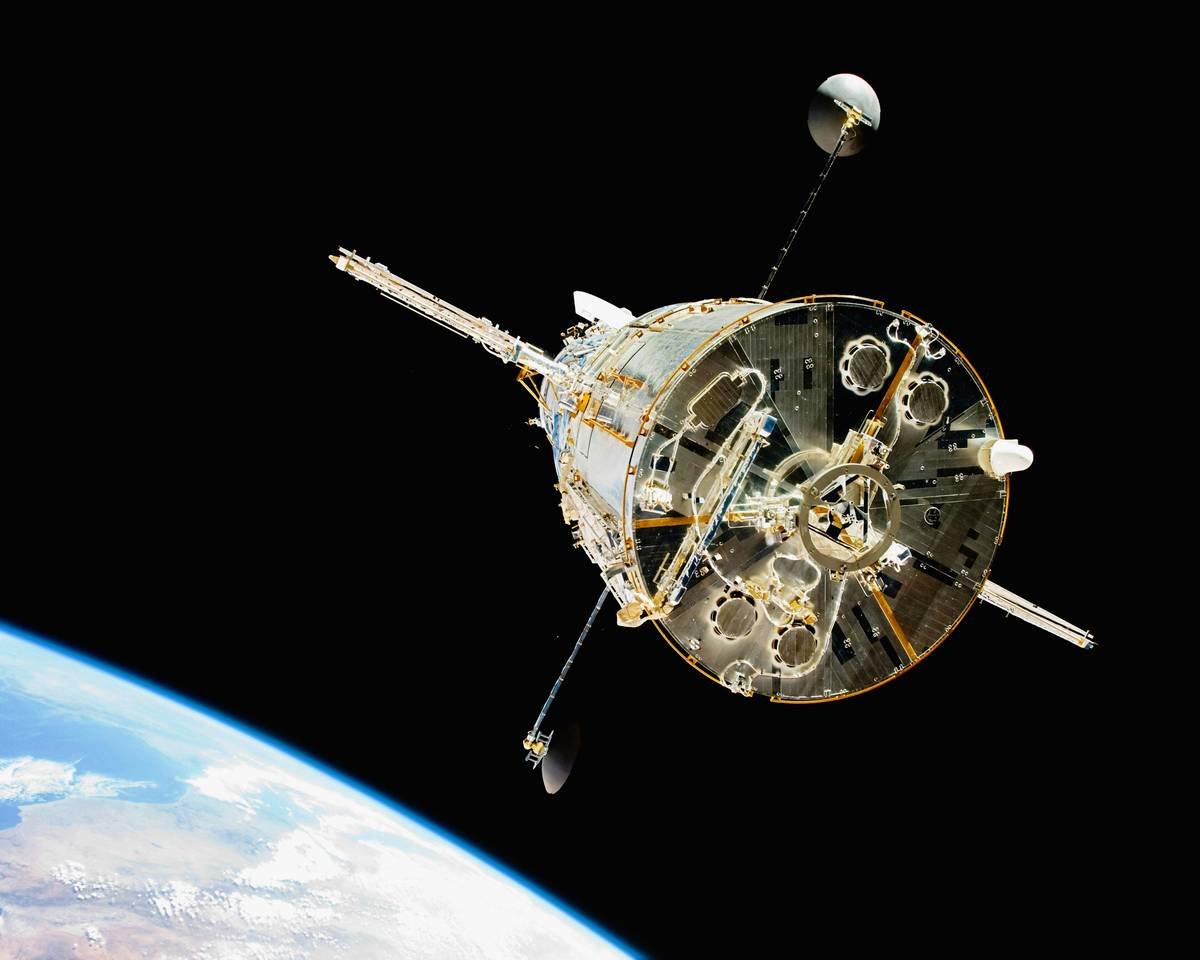
Orbital insurance covers four key phases:
- Pre-launch: Storage, transport, integration
- Launch: From ignition to successful orbit insertion
- In-orbit: Typically 12 months post-launch (covers tech failure, debris impact)
- Third-party liability: Required by national regulators (e.g., FCC, ESA)
Without an orbital insurance broker who understands telemetry anomalies, propulsion reliability stats, and reinsurance markets, you’re gambling with existential risk.
How to Work with an Orbital Insurance Broker (Step-by-Step)
What exactly does an orbital insurance broker *do*?
Optimist You: “They connect me with the best space-savvy underwriters!”
Grumpy You: “Ugh, fine—but only if they’ve actually read my mission profile and not just Googled ‘satellite’ before our call.”
Truth is, a qualified orbital insurance broker:
- Reviews your satellite design, redundancy systems, and launch vehicle history,
- Structures coverage layers across syndicates (no single insurer takes full risk),
- Negotiates deductibles based on component MTBF (mean time between failures),
- Manages claims if your thruster fails during station-keeping.
Step 1: Share your full mission dossier
Brokers need your satellite bus specs, orbit type (LEO/MEO/GEO), launch provider track record, and ground segment details. The more data, the lower your premium.
Step 2: Get a tailored quote package
A real orbital insurance broker won’t give one number. They’ll show options: e.g., “8% premium with 5% deductible” vs. “10% with zero deductible but stricter anomaly clauses.”
Step 3: Place the policy through Lloyds or specialist carriers
Over 70% of satellite insurance flows through Lloyds of London, often via managing agents like Atrium or Ascot. Your broker handles the paperwork circus so you don’t miss your launch window.
5 Best Practices When Buying Satellite Insurance
- Engage early: Start talks 6+ months before launch. Market hardening can delay placement.
- Disclose anomalies transparently: Hiding a past battery glitch = claim denial later.
- Ask about in-orbit extensions: Most policies expire after Year 1. Renewal terms tighten if solar activity spikes.
- Demand clarity on “constructive total loss”: At what degradation threshold do you get paid out?
- Avoid “cheap” brokers with no space book: If their portfolio is all yachts and art, run.
💡 Terrible tip disclaimer: “Just bundle it with your office building insurance.” Nope. That policy will exclude space perils 100%. I’ve seen the denial letters—they’re colder than lunar night.
Rant Time: My Niche Pet Peeve
When founders say, “We’ll skip insurance to save cap table dilution.” Cool. Until your satellite dies, your Series B evaporates, and your investor calls you “the guy who gambled on Kessler Syndrome.” Insurance isn’t cost—it’s optionality. Pay the 10%. Sleep at night.
Real-World Case Studies: Orbital Insurance in Action
Case 1: SmallSat Startup Saves $22M After Launch Anomaly
A European Earth observation startup used an orbital insurance broker to place a $45M policy with Lloyds. During ascent, the upper stage underperformed—leaving the satellite in a decaying orbit. Thanks to precise telemetry shared pre-policy, the claim was settled in 11 days. Without that broker relationship? Months of litigation.
Case 2: Mega-Constellation Operator Avoids Liability Disaster
In 2022, a 300-satellite operator nearly collided with a defunct Russian craft. While no impact occurred, their third-party liability coverage—structured by a specialist orbital insurance broker—covered legal defense costs and contingency planning, totaling $1.8M. General liability would’ve excluded it as “space operations.”
FAQs About Orbital Insurance Brokers
How much does orbital insurance cost?
Typically 8–15% of the satellite’s total insured value for launch + first-year in-orbit coverage. GEO birds cost more due to higher replacement value; rideshare payloads may qualify for group discounts.
Can individual investors buy satellite insurance?
Not directly. Coverage is placed on behalf of the satellite owner/operator. However, investors in SPACs or space ETFs indirectly benefit from underlying asset protection.
Are there orbital insurance brokers outside London?
Yes—but few. Top firms include Aon Space, Willis Towers Watson Space, and Lockton’s Space Practice. Zurich, Paris, and Washington D.C. also host niche players.
Does insurance cover cyberattacks on satellites?
Some newer policies include cyber endorsements, but it’s not standard. Always confirm with your orbital insurance broker.
Conclusion
An orbital insurance broker isn’t a luxury—it’s your financial co-pilot in the final frontier. With over 2,500 satellites launched in 2023 alone (SIA), collision risk and system complexity demand expert risk transfer. Don’t let your $50M asset float uninsured like space junk. Partner with a broker who knows apogee from attitude control—and actually answers emails during launch windows.
Because in space, there are no second takes. Only second chances—if you’re insured.
Like a 2004 Motorola RAZR, your satellite’s sleek—but it still needs backup before it flips open into disaster.
Haiku:
Metal bird ascends,
Broker shields it from debris—
Premiums earn peace.