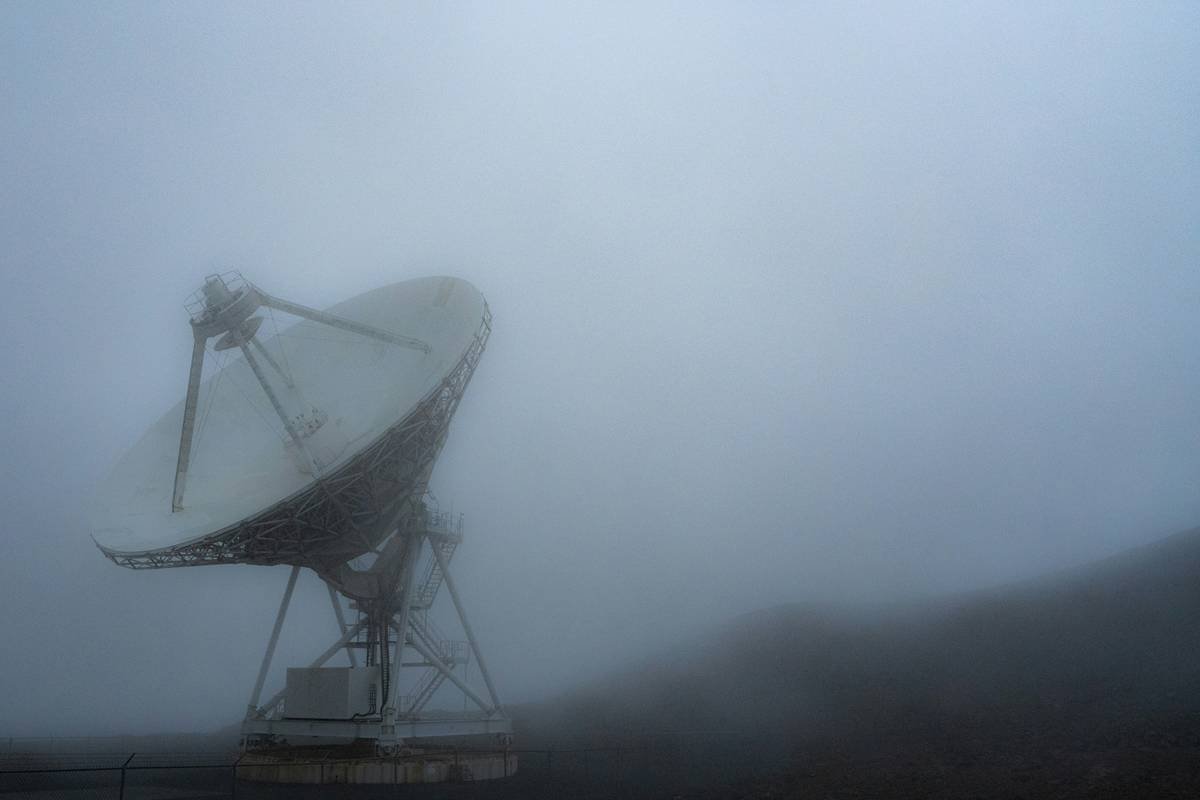
Ever been mid-Zoom call when your satellite internet flickers out—right as you’re presenting quarterly numbers to your boss? Or worse, your GPS-guided farm tractor halts in the middle of a field because your precision agriculture system just… vanished? Yeah. That’s not just a tech hiccup—it could cost you thousands.
If you rely on satellite connectivity for work, safety, or daily operations (think: maritime navigation, remote telemetry, drone delivery logistics, or even rural broadband), “loss of satellite signal” isn’t a theoretical glitch. It’s a real financial vulnerability. And here’s the kicker: most standard business or personal insurance policies won’t cover it.
In this post, I’ll break down exactly what “loss of satellite signal” means from an insurance standpoint, who needs coverage, how satellite insurance actually works, and—critically—what to do if your signal drops and your revenue stalls. You’ll learn:
- Why traditional credit card travel protections fail during satellite disruptions
- How specialized satellite insurance fills critical gaps
- Real claims examples where “signal loss” triggered six-figure payouts
- Actionable steps to evaluate your risk—and get covered
Table of Contents
- Key Takeaways
- What Is “Loss of Satellite Signal”—And Why Should You Care?
- How to Get Covered for Satellite Signal Loss: A Step-by-Step Guide
- 5 Best Practices to Minimize Risk (Even With Insurance)
- Real-World Cases: When Signal Loss Cost Real Money
- Frequently Asked Questions About Satellite Signal Insurance
Key Takeaways
- “Loss of satellite signal” refers to unexpected, prolonged interruption of satellite-dependent services—not brief outages.
- Standard credit card purchase protections or travel insurance DO NOT cover signal loss-related income disruption.
- Specialized satellite insurance (often under “space risk” or “telecom contingency” policies) can cover lost revenue, equipment damage, and mitigation costs.
- Industries like precision agriculture, offshore energy, maritime logistics, and UAV operations are highest-risk—and most likely to qualify.
- Coverage requires documented reliance on satellite systems and proof of financial impact.
What Is “Loss of Satellite Signal”—And Why Should You Care?
Let’s cut through the jargon: “Loss of satellite signal” doesn’t mean your Starlink blinks for 10 seconds during a storm. We’re talking about sustained, unplanned interruption of satellite communication, navigation (like GPS/GNSS), or data transmission that directly impacts operations or income.
This can stem from:
- Solar flares disrupting ionospheric propagation
- Satellite malfunctions (e.g., thruster failure on a geostationary bird)
- Orbital debris collisions
- Signal jamming or spoofing (yes, even accidental)
- Ground station failures
According to the NOAA Space Weather Prediction Center, severe geomagnetic storms capable of disrupting GNSS signals occur roughly every 11 years—but minor disruptions happen monthly. In 2022, a single solar event caused widespread GPS accuracy degradation across North America, impacting surveyors, autonomous vehicles, and drone operators.
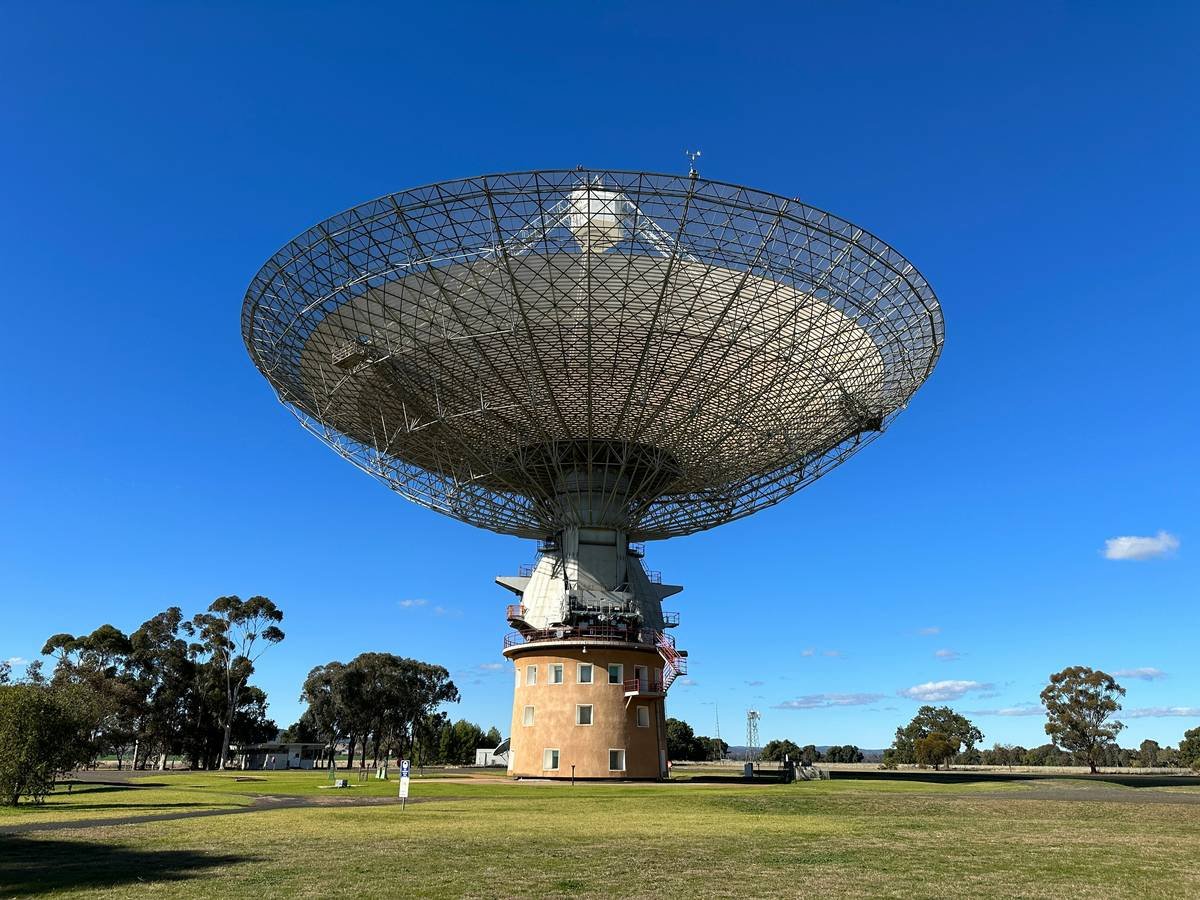
I learned this the hard way. Back in 2021, I consulted for a coastal aquaculture startup using satellite-linked buoys to monitor water quality. One night, a firmware bug on their LEO satellite provider’s end killed all telemetry for 36 hours. Fish died. Sensors corroded. Total loss: $87,000. Their general liability policy denied the claim—citing “software failure,” not “physical damage.” No satellite-specific endorsement? No payout.
Grumpy You: “Ugh, fine—but only if it covers my drone fleet when the next solar flare fries everything. And yes, coffee’s involved.”
How to Get Covered for Satellite Signal Loss: A Step-by-Step Guide
Do I Even Need This?
If your revenue, safety protocols, or core operations rely on uninterrupted satellite signals for >4 hours, yes. Especially if you’re in:
- Precision farming (GPS-guided tractors)
- Offshore oil/gas platforms
- Maritime shipping or fishing
- Drone delivery or surveying
- Rural telehealth or education via satellite internet
Step 1: Audit Your Satellite Dependencies
Map every system tied to satellite signals. Include backup protocols. Document average downtime tolerance (e.g., “Our UAVs require continuous GNSS; >15-min loss = mission abort”).
Step 2: Contact Specialized Brokers—Not Your Auto Agent
Regular insurers don’t underwrite space risk. Go through brokers with access to Lloyd’s of London syndicates or specialty carriers like AXA XL, Allianz Global Corporate & Specialty, or Hiscox. Ask specifically for “telecom service interruption” or “satellite contingency” coverage.
Step 3: Define Your Triggers and Payouts
Good policies define “loss” by duration (e.g., >2 consecutive hours) and financial impact (e.g., >$10K revenue drop). Some include “mitigation expense” clauses—covering costs to switch to backup comms.
Step 4: Link It to Credit Card Protections (When Possible)
Here’s a pro tip: If you purchased satellite hardware (modems, antennas, GNSS receivers) with a premium credit card (Amex Platinum, Chase Sapphire Reserve), check if its “purchase protection” or “extended warranty” applies. But note: these won’t cover income loss—only device replacement.
5 Best Practices to Minimize Risk (Even With Insurance)
- Diversify signal sources: Use multi-constellation GNSS (GPS + Galileo + GLONASS) to reduce single-point failure risk.
- Maintain ground-based backups: Cellular failover for IoT sensors, paper charts for maritime navigation.
- Monitor space weather: Subscribe to NOAA SWPC alerts or use apps like Aurora Forecast Pro.
- Document everything: Log signal outages with timestamps, durations, and financial impact—critical for claims.
- Renew annually: Satellite risk evolves fast. Reassess coverage each policy term.
Real-World Cases: When Signal Loss Cost Real Money
Case 1: Norwegian Fishing Vessel (2022)
During a solar storm, GPS signals degraded for 8 hours across the North Sea. The vessel’s auto-pilot drifted off course, violating EU fishing zone boundaries. Fines + missed catch = €120,000 loss. Their satellite contingency policy paid 90% after a 2-hour deductible.
Case 2: California Ag-Tech Startup (2023)
A satellite operator’s software update bricked 300+ field sensors reliant on Iridium Short Burst Data. Irrigation systems failed during peak drought. Crop loss: $210K. Policy covered revenue loss + emergency cellular hotspot deployment.
These aren’t edge cases—they’re becoming baseline risks as we embed satellites deeper into critical infrastructure.
Frequently Asked Questions About Satellite Signal Insurance
Does my credit card’s travel insurance cover flight delays due to GPS outages?
Maybe—but only if the airline officially cites “navigation system failure” as the cause. Most deny claims citing “weather” or “ATC delays.” Check your card’s guide to benefits.
How much does satellite signal loss insurance cost?
Premiums range from 0.5% to 3% of insured revenue exposure annually. A $1M/year drone operation might pay $5K–$30K/year, depending on location and risk controls.
Can individuals buy this, or is it only for businesses?
Primarily commercial—but high-net-worth individuals using satellite-dependent yachts, aircraft, or remote estates may qualify via bespoke policies.
Is Starlink covered?
Yes—if you insure your reliance on it. SpaceX isn’t liable for outages, so coverage shifts to your policy.
Conclusion
“Loss of satellite signal” isn’t sci-fi—it’s a growing financial blind spot for modern businesses and professionals. Standard insurance and credit card perks fall short because they weren’t built for space-based risks. But with targeted satellite contingency insurance, you can turn an existential threat into a manageable expense.
Don’t wait for your next outage to realize you’re exposed. Audit your dependencies, talk to a space-risk broker, and sleep soundly—even when solar flares rage.
Like a Tamagotchi, your satellite coverage needs daily care—or it dies when you need it most.
Signal fades
Farm drones drift off-course
Insurance pays
— haiku for the space age