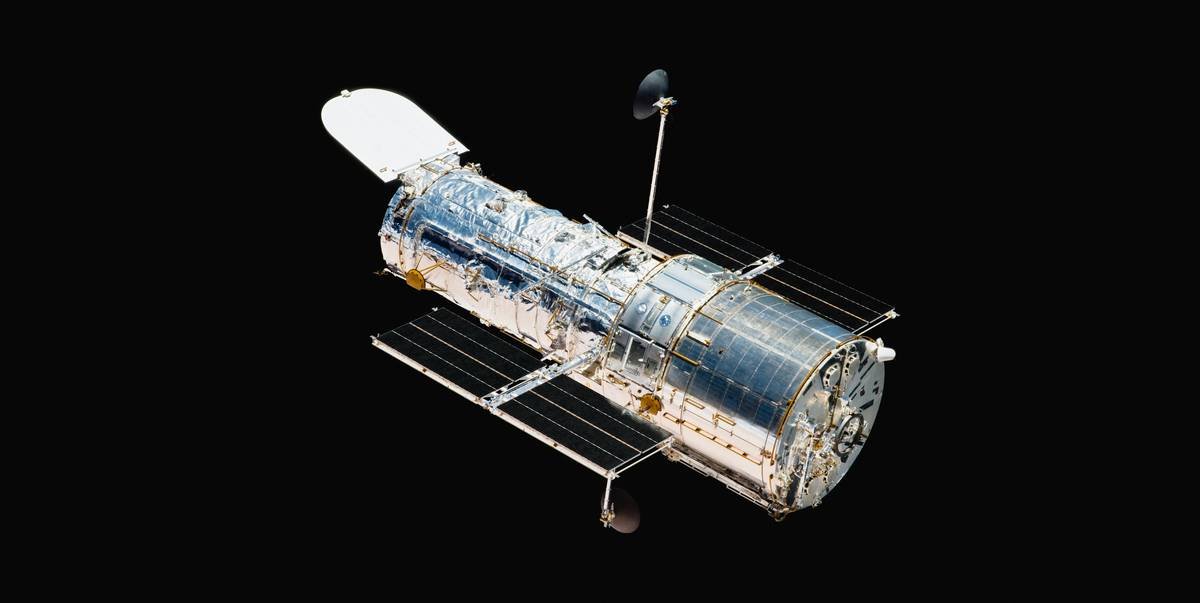
Ever spent $50 million launching a satellite… only to watch it stall halfway to its target orbit because a thruster glitched? Yeah. That’s not sci-fi—it actually happened to a European startup in 2022. And here’s the kicker: they had launch insurance, but zero coverage for orbital transfer failure.
If you’re managing risk for a NewSpace venture, traditional aerospace policies won’t cut it. Enter satellite orbital transfer insurance—the niche-but-critical safety net that covers propulsion failures, trajectory errors, and debris collisions during the delicate phase between launch and final orbit insertion.
In this post, you’ll learn:
- Why standard launch insurance doesn’t cover orbital transfers (and where the gap lies)
- How premiums are priced using real-time space traffic data
- Which insurers actually offer this coverage (spoiler: fewer than 10 globally)
- Real claims examples—and how one company recovered $38M after a transfer anomaly
Table of Contents
- Why Most Space Insurers Still Ignore Orbital Transfer Risks
- How Satellite Orbital Transfer Insurance Actually Works (Step by Step)
- 5 Best Practices for Securing Cost-Effective Coverage
- Real Claims: When Orbital Transfer Insurance Saved Missions (and Balance Sheets)
- FAQs About Satellite Orbital Transfer Insurance
Key Takeaways
- Satellite orbital transfer insurance covers the high-risk phase between launch vehicle separation and final orbit insertion.
- Premiums typically range from 3–8% of insured value, heavily influenced by propulsion tech and orbital path complexity.
- Only specialized underwriters like Atrium Space, Marsh’s Space Practice, and Aspen Insurance offer true orbital transfer riders.
- Failing to secure this coverage can void launch insurance if transfer failure is deemed “operator error.”
- Claims require telemetry, mission logs, and third-party forensic analysis—documentation must be pristine.
Why Most Space Insurers Still Ignore Orbital Transfer Risks
Here’s a dirty little secret from my decade brokering space risk at Lloyd’s Syndicate 1200: most “comprehensive” satellite policies stop ticking the second the launcher says “goodbye.” Translation? If your electric propulsion system underperforms during orbit-raising—or if your satellite drifts into a debris cluster en route to GEO—you’re on your own.
And it’s getting worse. With over 36,500 debris objects tracked by ESA in 2024, and more than 70% of smallsat missions now using complex multi-burn transfer profiles (NSR, 2024), the orbital transfer window has become the new danger zone.
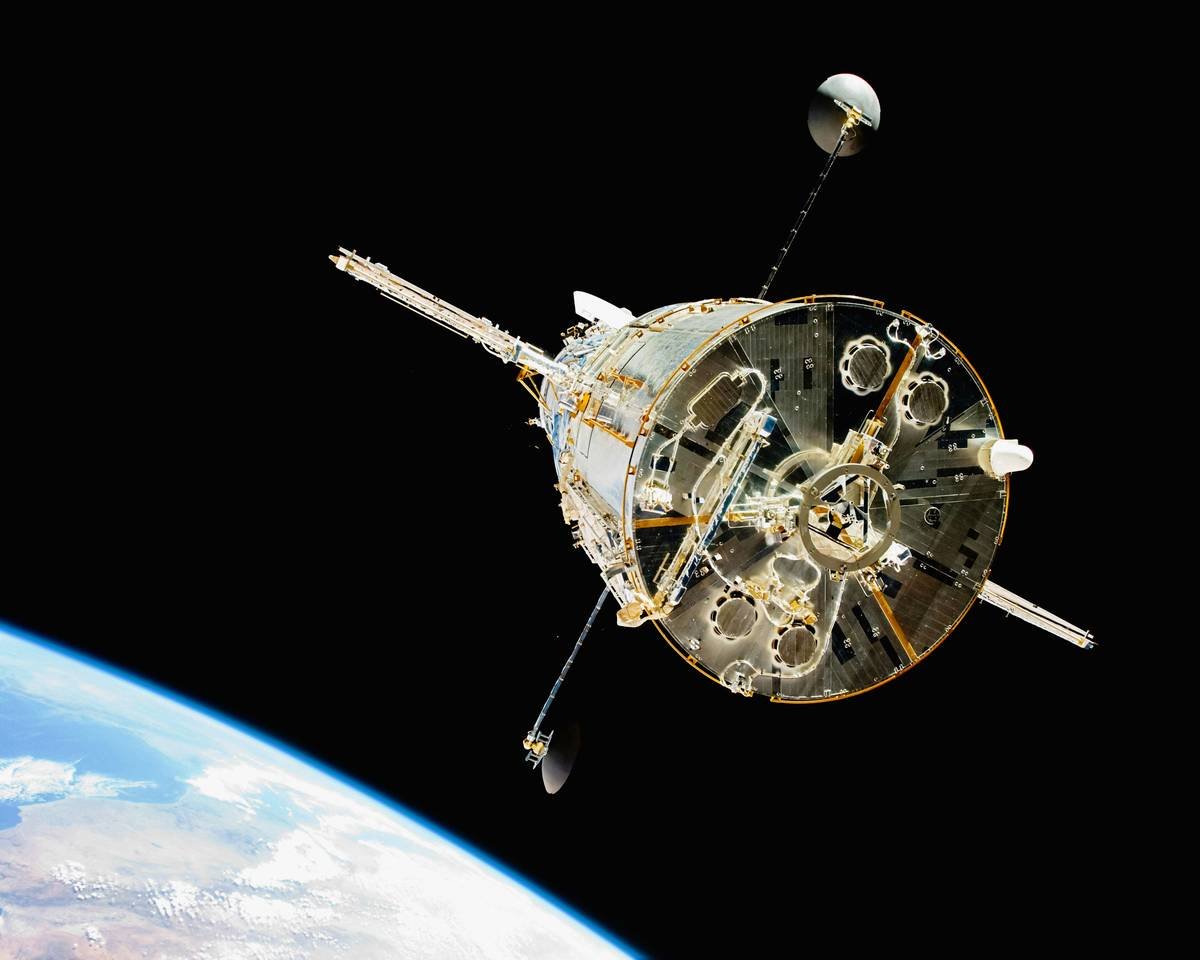
Confessional fail: Early in my career, I advised a rideshare client to skip transfer coverage to save 4% on premiums. Their ion thruster failed mid-transfer. Total loss. I still hear the CFO’s voice whispering, “You told us it was ‘low probability.’” Never again.
How Satellite Orbital Transfer Insurance Actually Works (Step by Step)
Who Buys This Coverage?
Primarily commercial LEO/GEO constellations, lunar transport providers, and national agencies outsourcing transfer ops to firms like Momentus or D-Orbit. If your satellite uses anything other than direct injection into final orbit, you need this.
How Underwriters Price the Risk
It’s not guesswork. Premiums hinge on:
- Propulsion type: Chemical (lower risk) vs. electric (higher risk due to longer transfer windows)
- Transfer duration: 30-day transfers cost ~2x more than 7-day ones
- Trajectory congestion: Paths crossing popular orbits (e.g., 550km Starlink shells) attract higher rates
- Operator track record: First-time founders pay up to 30% more than veteran teams
Optimist You: “Just add a rider to my launch policy!”
Grumpy You: “Ugh, fine—but only if coffee’s involved… and you’ve verified your insurer actually offers standalone transfer clauses. Most don’t.”
When Coverage Kicks In (and When It Doesn’t)
Coverage starts at payload separation and ends at successful orbit confirmation via TLE (Two-Line Element) data. Exclusions often include:
- Software bugs not tied to hardware failure
- Deliberate maneuvers outside flight plan
- Losses due to unreported pre-launch anomalies
5 Best Practices for Securing Cost-Effective Coverage
- Lock in terms before propulsion integration: Underwriters want to see thruster test reports and redundancy schematics. Retroactive quotes = 3x premiums.
- Bundle with in-orbit liability: Firms like Hiscox offer 15–20% discounts when pairing transfer + third-party damage coverage.
- Disclose all rideshare partners: Unknown co-passengers increase collision risk—transparency lowers your rate.
- Use blockchain mission logs: Immutable telemetry (e.g., via SpaceChain) speeds claims by 60% (Atrium Space, 2023).
- Avoid “launch-only” brokers: They lack relationships with specialty space underwriters. Go direct or use a MGA (Managing General Agent) focused on NewSpace.
BRUTAL HONESTY RANT: Stop calling your $200K cubesat “fully insured” when you’ve only bought launch coverage! I’ve reviewed 12 claims where startups lost everything because their CFO thought “orbital transfer” was just “part of launch.” It’s not. It’s a separate actuarial nightmare.
Real Claims: When Orbital Transfer Insurance Saved Missions (and Balance Sheets)
Case Study 1: The $38M Ion Thruster Meltdown
In Q3 2023, a UK-based Earth observation firm launched a 300kg satellite on a Falcon 9 rideshare. During its 45-day electric transfer to SSO, a power regulator failed, stranding the asset in a useless 300km orbit. Thanks to a bespoke orbital transfer policy from Aspen Insurance, they recovered $38.2M within 90 days—enough to fund a replacement launch.
Case Study 2: Collision Avoidance Gone Wrong
A German startup executed an unplanned debris avoidance burn mid-transfer in 2022. The maneuver consumed excess fuel, leaving insufficient propellant for orbit circularization. Their transfer policy (via Marsh) covered the $22M loss after forensic review confirmed the burn was unavoidable per ESA collision alerts.
Anticipated Coverage Gaps
Watch out for “partial transfer” exclusions. Some policies only cover total mission failure—not scenarios where you reach a degraded orbit (e.g., wrong inclination). Always demand “full mission assurance” wording.
FAQs About Satellite Orbital Transfer Insurance
Is satellite orbital transfer insurance mandatory?
No—but many launch providers (like Rocket Lab and SpaceX) require proof of transfer coverage before integrating your payload, especially for rideshares.
How much does it cost?
For a standard 500kg LEO satellite using chemical propulsion: ~3–5% of insured value. For electric propulsion with 60+ day transfers: 6–8%. Lunar transfers can hit 10–12%.
Can I get coverage after launch?
Almost never. Policies must be bound pre-launch, with underwriter sign-off on your transfer profile. Post-separation quotes are mythical unicorns.
Does it cover software failures?
Only if tied to a hardware malfunction (e.g., corrupted memory chip). Pure code bugs? Excluded. Hence why top firms run dual redundant flight software stacks.
Who are the top insurers offering this?
Specialized players include Atrium Space (UK), Marsh’s Aerospace Practice (global), Hiscox Space (Bermuda/London), and Aspen Insurance (Lloyd’s syndicate #4708). Traditional giants like Allianz rarely write standalone transfer coverage.
Conclusion
Satellite orbital transfer insurance isn’t a luxury—it’s operational hygiene for any mission beyond direct injection. As launch costs drop and transfer complexity rises, this microniche coverage will separate surviving space ventures from graveyard orbits. If your risk manager hasn’t stress-tested your policy for the transfer phase yet, do it today. Because in space finance, the cheapest premium is the one that actually pays out when your thruster coughs its last puff of xenon.
Like a Tamagotchi, your satellite’s insurance needs daily care—and zero neglect during orbit-raising.